Delicious Skillet Cakes: Your Best Brunch Benefit
Table of Contents
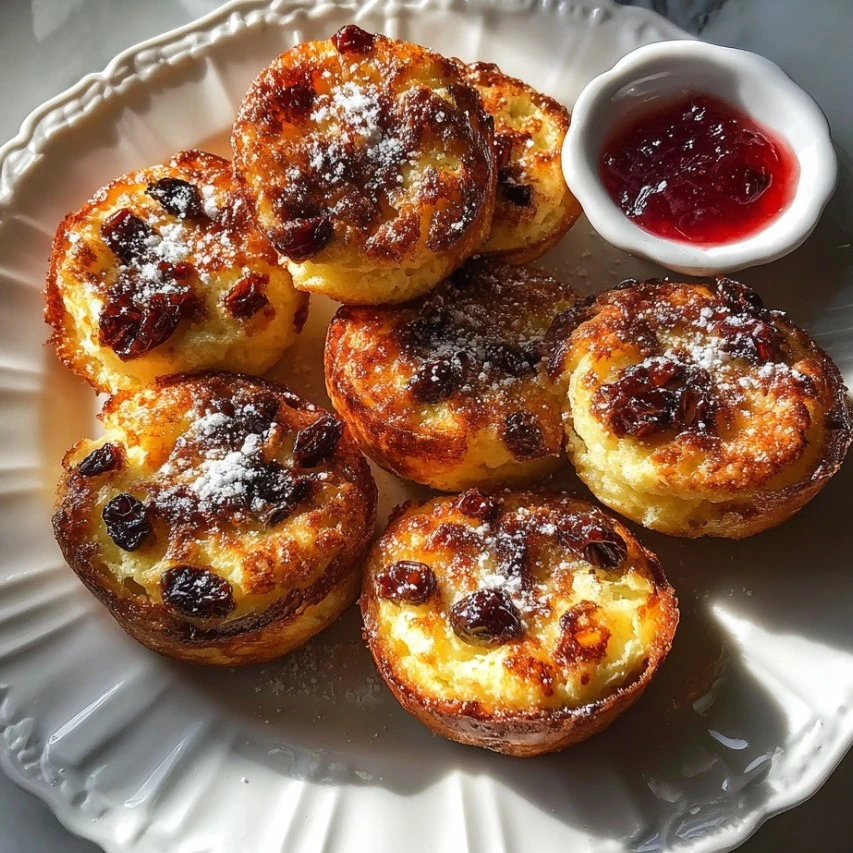
Skillet Cakes are a revolutionary breakfast innovation that provides a soft, tender, and lightly sweetened foundation for a variety of fruit jams and artisanal butters. This recipe for Skillet Cakes features a rich, shortbread-like dough packed with sun-dried raisins and cold European-style butter. By cooking these rounds directly in a cast-iron pan rather than an oven, these Skillet Cakes achieve a professional-grade, golden-brown crust that remains incredibly moist on the inside.
Thank you for reading this post, don't forget to subscribe!The beauty of these Skillet Cakes lies in the contrast between the crisp, buttery exterior and the pillow-soft, fruit-studded interior. This dish is designed for those who appreciate the finer details of New York entertaining, where style and substance must go hand in hand to create a truly memorable event. By using cold, high-fat butter and a gentle kneading technique, you ensure that your Skillet Cakes capture every layer of delicate crumb, resulting in a cohesive and high-end finish.
In this guide, we will explore the science of chemical leavening in pan-fried doughs, the importance of lipid-based shortening in pastry, and the techniques needed to handle cold fats for a tender result. Preparing a dish like our Skillet Cakes is an exercise in heat management; from the initial butter rub to the final 2-minute sear, every stage is vital for a light and airy result. We will cover why European-style butter is the essential choice for this profile and how a dusting of superfine sugar acts as the final savory bridge for your Skillet Cakes.
Why You’ll Love This Dish
| Feature | Benefit |
| Cast-Iron Sear | Provides a unique, griddled crust that is more flavorful and rustic than traditional oven baking. |
| Cold Butter Rub | Creates a “short” texture that melts in the mouth while keeping the cakes structurally sound. |
| Raisin Infusion | Uses sun-dried raisins to provide concentrated bursts of natural sweetness and fiber. |
| Rapid Execution | A gourmet-level pastry that goes from the mixing bowl to the table in just 25 minutes. |
Flavors & Textures: A Sensory Journey
The first sensation is the captivating aroma of melting butter and toasted sugar filling your kitchen. This occurs as the cakes reach their perfectly browned peak in the hot cast-iron skillet.
As you take a bite of one of these Skillet Cakes, you encounter the initial, audible snap of the sugared exterior. This is quickly followed by the soft, velvet-like yield of the warm, buttery crumb.
The flavor of the Skillet Cakes is a masterclass in balance. The rich, dairy notes of the European butter are immediately brightened by the concentrated sweetness of the raisins.
The flaky sea salt provides a sudden, savory contrast that lingers on the palate. Meanwhile, the superfine sugar offers a bright finish that makes the floral butter flavors “pop” beautifully.
It is a symphony of clean excellence. It is designed to satisfy those who want a treat that feels both incredibly indulgent and artfully balanced in its botanical aromatics.
The Science of Skillet Cakes Leavening
To achieve the iconic flavor of this dish, one must understand the chemistry of sodium bicarbonate expansion within a pan-fried dough. Unlike deep-fried doughs, these cakes rely on baking powder to provide a quick vertical lift.
In these Skillet Cakes, the baking powder reacts twice: first when it hits the moisture of the egg, and again when it touches the hot skillet. This ensures that the cakes remain light and airy even though they are cooked under the direct weight of their own structure.
The use of cold, European-style butter is critical because it contains less water than standard butter. As the small pieces of fat melt in the pan, they create steam pockets that further assist the rise of the Skillet Cakes.
This science is what gives the dish its rustic, tender profile. It creates the lacy, soft mouthfeel that defines a professional-grade breakfast preparation.
The Star of the Show: European-Style Butter
While the flour provides the structure, the butter is the undisputed star that provides the savory soul of these Skillet Cakes. European butter is churned longer to achieve a higher butterfat content, usually around 82% to 85%.
By rubbing this high-fat butter into the flour until it resembles coarse crumbs, you coat the gluten strands. This prevents the Skillet Cakes from becoming tough or chewy during the kneading process.
This step is critical because it ensures the interior remains decadent and moist. It ensures the flavor of the pastry is centered on the dairy and isn’t masked by the other ingredients.
This star component is the bridge between the sweet raisins and the savory sea salt. It provides the deep, satisfying notes that are the hallmark of the dish.
Mastering the Art of the Pan-Sear
The secret to a professional-grade skillet cake is the manual management of the pan temperature and the butter refresh between batches. You must use a medium-low heat to ensure the center cooks before the exterior burns.
Wiping the skillet clean between batches is essential for these Skillet Cakes. This prevents the sugar and flour from previous cakes from burning and imparting a bitter flavor to the next set.
If the pan is too hot, the cakes will be raw in the middle; if it is too cold, they will absorb the butter and become greasy. Mastering this simple balance of heat is what ensures your cakes have a perfect, artisanal finish.
Dusting the hot cakes with additional superfine sugar immediately after cooking allows the grains to stick. This guarantees a professional, multi-dimensional aesthetic and a shimmering finish in every single bite.
Summary
- Prep Time: 10 minutes.
- Cook Time: 15 minutes.
- Total Time: 25 minutes.
- Servings: 6 servings.
- Difficulty: Easy.
Ingredients Table
| Component | Amount | Ingredient | Notes |
| Flour | 2 cups | All-Purpose Flour | Plus more for rolling |
| Sweet | 6 tbsp | Superfine Sugar | Plus more for dusting |
| Leaven | 1 tbsp | Baking Powder | For vertical lift |
| Seasoning | 1/2 tsp | Flaky Sea Salt | For flavor balance |
| Fat | 1/2 cup + | European Butter | Cold and cut into pieces |
| Fruit | 1/3 cup | Raisins | Sun-dried and sweet |
| Protein | 1 large | Egg | Beaten to bind dough |
| Liquid | 2 tsp | Whole Milk | Optional for moisture |
| Topping | Optional | Fruit Jam | For serving warm |
Directions
- Whisk the Dry Mix: In a large bowl, combine the flour, superfine sugar, baking powder, and sea salt until perfectly blended.
- The Butter Rub: Add 1/2 cup of cold European butter; rub it into the flour with your fingers until the mixture looks like coarse crumbs.
- Incorporate Fruit: Stir in the sun-dried raisins and the beaten egg, mixing until a soft, pliable dough begins to form.
- Moisture Check: If the dough feels too dry to hold its shape, add milk 1/2 teaspoon at a time until the mixture is just incorporated.
- Roll and Cut: On a lightly floured surface, roll the dough to a 3/8-inch thickness and cut into 2 1/4-inch rounds with a pastry cutter.
- Heat the Skillet: Melt 1 tablespoon of butter in a cast-iron skillet over medium-low heat; ensure the butter is foaming before adding the dough.
- The Sear Phase: Cook the Skillet Cakes in batches for 2 to 4 minutes per side until they are golden brown and cooked through.
- Final Garnish: Sprinkle the hot cakes with additional sugar and serve immediately with softened butter and a dollop of fruit jam.
Expert Tips
| Category | Tip |
| Butter Temperature | Keep your butter in the fridge until the very moment you rub it into the flour to ensure the flakiest texture for your Skillet Cakes. |
| Kneading Rule | Never over-work the dough; only knead until it barely comes together to prevent the gluten from making the cakes tough. |
| Cast-Iron Choice | Use a heavy cast-iron skillet for even heat distribution; thin pans will create hot spots that can burn the sugar on the crust. |
| Raisin Prep | If your raisins are very dry, soak them in warm water for 5 minutes and pat them dry before adding them to the dough for extra juiciness. |
Heritage & Variations
Skillet cakes, often referred to as Welsh cakes or griddle cakes, have been a staple of traditional British and European tea times for centuries. This modern version of Skillet Cakes reflects the current “slow-brunch” movement in New York, where classic comfort foods are elevated with high-end fats.
In different parts of the world, you might see this recipe adapted with different spices like cinnamon or nutmeg. Some versions also include lemon zest or dried currants for a more traditional, tart flavor profile.
Creative variations include adding a handful of chopped walnuts to the dough to provide a savory, crunchy contrast to the sweet raisins. You could also swap the superfine sugar for maple sugar to give the cakes a more earthy, autumnal aroma.
This dish represents the “pan-to-table” philosophy. It uses simple pantry staples and a single skillet to create a flavor profile that is superior to commercial, store-bought biscuits.
The goal is to provide a treat that feels artisanal and complex. It remains accessible enough for any home cook to master for a healthy weekend breakfast or a sophisticated social brunch gathering.
Storage & Reheating
Properly managing your leftovers will ensure the buttery crumb and sweet fruit remain appetizing for a later snack.
- Room Temp: Store the cooled Skillet Cakes in an airtight container for up to 3 days; they will stay soft and flavorful.
- The Best Reheating: Reheat the cakes in a dry skillet over low heat for 1 minute per side to revive the original buttery crispness.
- Avoid the Microwave: Microwaving will turn the cakes leathery and make the butter feel greasy; always use a pan or a toaster oven.
- Freezing: You can freeze the baked cakes for up to 1 month; thaw at room temperature before following the pan-reheating instructions.
Conclusion & FAQ
Mastering these vibrant and savory golden rounds is the ultimate way to bring sophisticated, healthy flavors to your next weekend morning routine.
Q1: Can I use salted butter?
A: Yes, but omit the extra sea salt in the dry mixture to ensure your Skillet Cakes do not become overly savory.
Q2: What is superfine sugar?
A: Also known as caster sugar, it has a smaller grain size that dissolves quickly, ensuring a smooth texture in your dough.
Q3: Is this recipe halal?
A: Yes; this recipe uses only grains, fruit, and dairy with no pork or wine, making it perfectly suited for a halal and vegetarian diet.
Q4: Can I use chocolate chips instead of raisins?
A: Absolutely; swapping the raisins for dark chocolate chips creates a decadent, modern twist on this classic recipe.
Print
Delicious Skillet Cakes: Your Best Brunch Benefit
- Total Time: 25 mins.
- Yield: 6 servings. 1x
- Diet: Vegetarian
Description
A soft and tender skillet-baked cake featuring cold European butter, sun-dried raisins, and a shimmering sugar crust.
Ingredients
-
2 cups all-purpose flour.
-
6 tbsp superfine sugar.
-
1 tbsp baking powder.
-
1/2 tsp sea salt.
-
1/2 cup + 3 tbsp cold butter.
-
1/3 cup raisins.
-
1 large egg.
-
2 tsp whole milk.
Instructions
-
Whisk flour sugar baking powder and salt in a large bowl.
-
Rub cold butter into the flour until coarse crumbs form then stir in raisins.
-
Add the beaten egg and knead gently into a soft dough.
-
Roll dough to 3/8-inch thickness and cut into 2 1/4-inch rounds.
-
Melt butter in a cast-iron skillet over medium-low heat.
-
Cook cakes for 2-4 minutes per side until golden brown and crisp.
-
Dust hot cakes with extra sugar and serve with butter and jam.
Notes
-
Using high-fat European butter is the key to the professional melting texture of these cakes.
-
Wiping the skillet between batches prevents the sugar from burning on the crust.
-
These are best served warm but can be stored and reheated easily in a dry pan.
- Prep Time: 10 mins.
- Cook Time: 15 mins.
- Category: Breakfast.
- Method: Skillet.
- Cuisine: European Fusion.
Nutrition
- Serving Size: 2–3 cakes.
- Calories: ~ 315 kcal
- Sugar: ~ 14g.
- Sodium: ~ 310mg.
- Fat: ~ 18g.
- Saturated Fat: ~ 11g.
- Unsaturated Fat: ~ 7g.
- Trans Fat: ~ 0g.
- Carbohydrates: ~ 36g.
- Fiber: ~ 1g.
- Protein: ~ 4g.
- Cholesterol: ~ 65mg.
Keywords: Skillet Cakes, Raisin Cakes, Griddle Cakes, European Butter Recipes, Easy Brunch Ideas, New York Recipe.