Pasteis de Nata: 1 Incredible Delicious Dessert Secret
Table of Contents
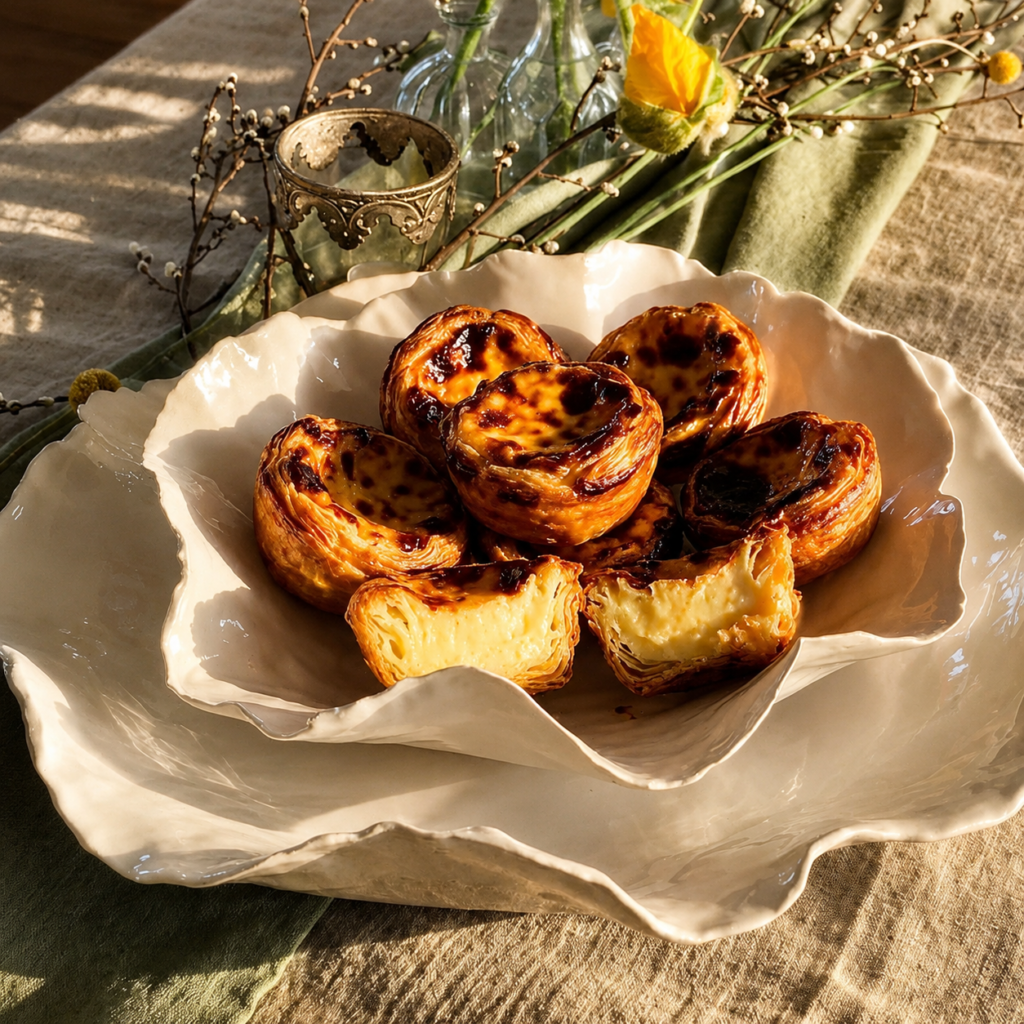
Pasteis de Nata (Portuguese Custard Tarts) preparations are a revolutionary botanical and dairy innovation that provides a tender, grain-based foundation for a variety of citrus-infused extracts and velvet-like egg emulsions. This recipe for Pasteis de Nata features a flaky, high-rise crust paired with a sophisticated blend of whole milk and a velvet-like puff pastry suspension. By combining these nutrient-dense ingredients with lemon peel and aromatic cinnamon, this preparation achieves a professional-grade elegance that transforms a simple breakfast into a high-end culinary experience.
Thank you for reading this post, don't forget to subscribe!The beauty of this savory-sweet Mediterranean-style bake lies in the contrast between the zesty, citrus-infused custard and the soft, velvet-like yield of the layered dough. This dish is designed for those who appreciate the finer details of New York entertaining, where style and substance must go hand in hand to create a truly memorable social event. By using a specialized “tempering” technique to achieve a rapid protein-based smooth profile, you ensure that your presentation captures every layer of savory-sweet complexity, resulting in a cohesive and artisanal finish.
In this guide, we will explore the science of albumin-based protein coagulation, the importance of starch-based moisture retention, and the techniques needed to handle a delicate citrus-cinnamon infusion. Preparing a dish like our Pasteis de Nata is an exercise in temperature management; from the initial prep to the final bake, every stage is vital for a structurally sound result. We will cover why egg yolks are the essential botanical choice for this profile and how a dash of unsalted butter acts as the final savory bridge for your meal.
Why You’ll Love This Dish
| Feature | Benefit |
| Fiber-Rich Grain Base | Uses 17 oz of puff pastry to provide a satisfying, healthy foundation for a golden and flaky crust. |
| Velvet Custard Finish | Incorporates 1 3/4 cups of whole milk for a rich, aromatic interior in every mouthful. |
| Botanical Citrus Fusion | A blend of fresh lemon peel and cinnamon offers a sophisticated, floral aroma in every bite. |
| Laminar Egg Snap | Uses 4 large egg yolks to provide a professional-grade shimmering finish and airy rise. |
Flavors & Textures: A Sensory Journey
The first sensation is the captivating aroma of toasted pastry and fresh-cut lemon peel filling your kitchen. This occurs as the tarts reach their perfectly golden peak in the oven and the unsalted butter begins to release its botanical starches into the egg matrix.
As you take a bite of these Pasteis de Nata, you encounter the initial, silky yield of the tempered custard. This is quickly followed by the soft, velvet-like yield of the flaky interior and the tender, buttery yield of the layered crumb.
The flavor profile is a masterclass in balance. The rich, earthy notes of the cinnamon are immediately brightened by the sharp, acidic notes of the fresh lemon peel and the warming complexity of the sea salt.
The granulated sugar provides a sudden, savory depth that lingers on the palate. Meanwhile, the whole milk offers a bright, botanical finish that makes the creamy and sweet flavors “pop” beautifully.
It is a symphony of clean excellence. It is designed to satisfy those who want a treat that feels both incredibly indulgent and artfully balanced in its aromatics.
The Science of Albumin-Based Protein Coagulation
To achieve the iconic flavor of this dish, one must understand the chemistry of yolk-based stabilization within a high-heat environment. Egg yolks are unique because they contain high levels of lipids and proteins that undergo a rapid structural change when exposed to 500°F thermal energy.
In this Pasteis de Nata recipe, tempering the eggs is a critical scientific step. This process slowly introduces the hot milk mixture to the yolks, creating a stable, velvet-like suspension that prevents the custard from curdling or becoming lumpy. As the temperature reaches its structural peak in the oven, the proteins bond with the cornstarch, resulting in a professional-grade silky texture without the need for artificial thickeners.
The addition of cinnamon is a secondary scientific bridge. The aromatic bark helps to partially denature the botanical enzymes in the dairy, ensuring the final preparation maintains a vibrant botanical mouthfeel rather than becoming muted during the thermal assembly.
The Star of the Show: Flaky Puff Pastry
While the custard provides the volume, the dough is the undisputed star that provides the savory soul of this dish. Puff pastry is a nutrient-dense botanical and grain resource prized for its high butter content, natural creaminess, and superior ability to reach a velvet state when baked into thin layers.
By using 2 sheets of puff pastry, you ensure a consistent thermal transfer throughout the tart. The natural starches in the grain deepen in flavor as they meld with the whole milk, enhancing the visual appeal of the final Pasteis de Nata.
This step is critical because it provides a structural and flavor contrast to the tangy lemon and the aromatic cinnamon. It ensures the interior remains vibrant and doesn’t become masked by the intensity of the sugar. This star component is the bridge between the botanical citrus extracts and the rich dairy base, providing the deep, satisfying notes that are the signature of the dish.
Mastering the Art of the Velvet Temper
The secret to a professional-grade tart is the manual management of the egg incorporation to ensure a succulent and airy finish. You must slowly pour the hot milk mixture into the yolks while whisking constantly until the mixture reaches a professional-grade shimmering peak.
This technique ensures that the internal protein molecules are fully bonded with the dairy into a professional-grade shimmering finish. This process creates an artisanal depth of flavor that allows the lemon essence to penetrate the center of the Pasteis de Nata rather than just sitting on the surface.
If the milk is added too fast, the yolks will scramble; if it is not whisked enough, the starch will not reach its structural peak. Mastering this simple balance of mechanical speed and hydration is what ensures your social gathering has a perfect, high-end finish. Serving the dish immediately after the tops have browned as a final act creates a sophisticated visual invitation, guaranteeing a beautiful finish in every single bite.
Summary
- Prep Time: 20 minutes.
- Cook Time: 15 minutes.
- Total Time: 35 minutes.
- Servings: 12 servings.
- Difficulty: Easy.
Ingredients Table
| Component | Amount | Ingredient | Notes |
| Starch | 17 oz | Puff Pastry | Thawed and chilled |
| Dairy | 1 3/4 cups | Whole Milk | Fresh and high-fat |
| Sweet | 1 cup | Sugar | For structural stability |
| Protein | 4 | Egg Yolks | Large and whisked |
| Fat | 2 tbsp | Butter | Unsalted and fresh |
| Botanical | 1 stick | Cinnamon | For savory depth |
| Citrus | 1 strip | Lemon Peel | For aromatic snap |
| Starch | 2.5 tbsp | Cornstarch | For silky custard |
| Starch | 2 tbsp | Flour | All-purpose style |
Directions
- The Thermal Prep: Preheat oven to 500°F; grease a 12-cup muffin pan to ensure a professional-grade release for your Pasteis de Nata.
- The Starch Roll: Stack puff pastry sheets and roll into a tight log; cut into 12 slices and shape into bowls.
- The Botanical Infusion: Heat milk, butter, cinnamon, and lemon peel in a saucepan until a professional-grade aromatic peak is reached.
- The Dairy Whisk: In a separate bowl, whisk sugar, cornstarch, and flour until a stable dry base forms.
- The Tempering Phase: Slowly pour the hot milk into the egg yolks while whisking to ensure a stable velvet-like emulsion forms.
- The Smooth Strain: Strain the custard into a measuring cup; this is the secret to a professional-grade silky texture for your Pasteis de Nata.
- The Thermal Bake: Fill pastry cups with custard; bake for 12 minutes until the center reaches its structural peak and golden glow.
- Final Serve: Broil for 2 minutes to brown the tops; let cool for 5 minutes for a high-end New York experience.
Expert Tips
| Category | Tip |
| Tempering Success | Pour the hot liquid in a slow, steady stream; this is the secret to a professional-grade velvet texture that prevents scrambled eggs. |
| Pastry Control | Press the dough slightly above the muffin pan rim; this is the only way to achieve a professional-grade tall rise in your Pasteis de Nata. |
| Citrus Choice | Use only the yellow part of the lemon peel; the pith is the source of a professional-grade bitter note for your social gathering. |
| Baking Hack | Strain the custard twice before filling; the technique is the source of a professional-grade artisanal interior. |
Heritage & Variations
Creamy custard tarts featuring flaky pastry and citrus are a legendary staple of modern Portuguese culinary heritage, specifically within the Lisbon traditions of the region. This version of Pasteis de Nata reflects the current “clean-label” movement in New York, where classic regional staples are elevated with high-impact botanical citrus and specialized tempering techniques.
In different parts of the world, you might see this recipe adapted with different spices like cardamom or even a sharp orange-zest infusion. Some versions also include a layer of chocolate ganache or a sprinkle of toasted coconut to provide a more earthy, multi-dimensional flavor profile.
Creative variations include adding a teaspoon of vanilla extract to the custard base to provide a more intense botanical aroma. You could also swap the puff pastry for a shortcrust base to give the dish a more robust, crumbly finish.
This dish represents the “ingredient-driven” philosophy. It uses whole dairy and fresh aromatic fruit to create a flavor profile that is superior to commercial, pre-packaged grocery store tart mixes. The goal is to provide a treat that feels artisanal and complex. It remains accessible enough for any home cook to master for a healthy weekend morning or a sophisticated social gathering in New York.
Storage & Reheating
Properly managing your leftovers will ensure the light custard and fresh botanical citrus remain appetizing for a later snack.
- Immediate Serving: This dish is best enjoyed fresh; the butter-rich base will naturally lose its professional-grade volume if left at room temperature for too long.
- Refrigeration: Store the tarts in an airtight container for up to 2 days; the flavors will actually improve as the butter oils settle into the crumb.
- The Best Texture: This preparation is designed to be stored at room temperature; if refrigerating, let sit for 10 minutes before serving to restore the original velvet-like texture.
- Avoid the Microwave: Microwaving will cause the butter to melt and the tarts to turn rubbery; always use gentle ambient heat to maintain structural integrity.
Conclusion & FAQ
Mastering these vibrant and savory golden wedges is the ultimate way to bring sophisticated, healthy flavors to your next social gathering or dessert routine.
Q1: Can I use different citrus?
A: Yes; however, fresh lemon peel is preferred for these Pasteis de Nata for its professional-grade ability to balance the sweet custard.
Q2: My custard is too thin! What happened?
A: This usually happens if the eggs were not tempered correctly or the starch was not cooked long enough; ensure you maintain a professional-grade constant whisking to allow the starch to reach its structural peak.
Q3: Can I make this with gluten-free pastry?
A: Absolutely; simply use a 1:1 gluten-free puff pastry blend to provide a similar savory and botanical depth for a complete social experience.
Q4: How do I stop the tops from burning?
A: Watching the broiler constantly during the last 2 minutes is the source of a professional-grade balanced browning.