Pasta with Eggplant: Stunning 45-Minute Basil Cream Sauce
Table of Contents
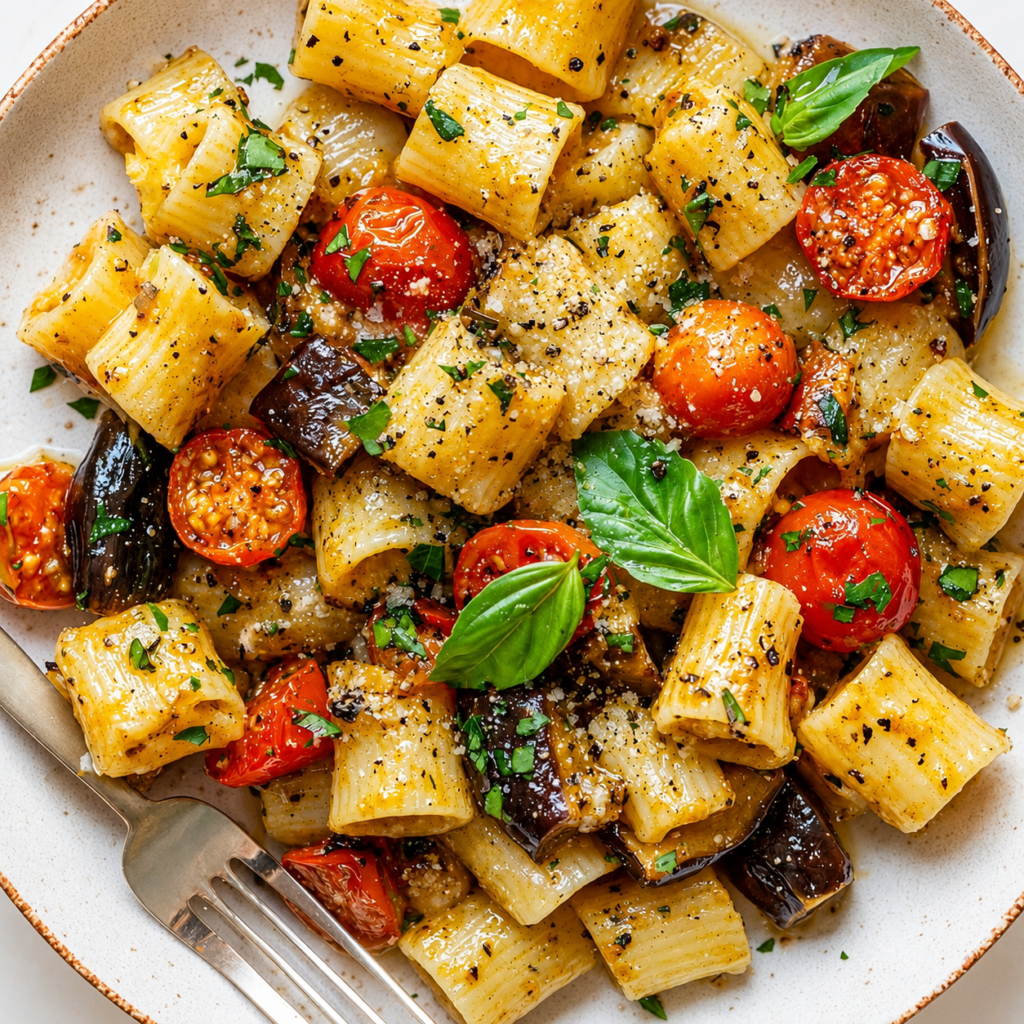
Pasta with Eggplant and Basil Sauce preparations are a revolutionary botanical and dairy innovation that provides a tender, carbohydrate-based foundation for a variety of roasted garden extracts and velvet-like cheese emulsions. This recipe for a beautiful Mediterranean dinner features tubular wheat shapes paired with a sophisticated blend of oven-caramelized nightshades and a velvet-like basil cream suspension. By combining these nutrient-dense ingredients with high-quality olive fats and premium grated sheep’s milk curds, this preparation achieves a professional-grade elegance that transforms a simple pasta plate into a high-end culinary experience.
Thank you for reading this post, don't forget to subscribe!The beauty of this savory southern-style baked assembly lies in the contrast between the zesty, herb-infused blender purees and the soft, velvet-like yield of the roasted vegetable cores. This finish is designed for those who appreciate the finer details of New York entertaining, where style and substance must go hand in hand to create a truly memorable social event. By using a specialized “sheet-pan roasting” technique to achieve a rapid geometric concentration of the nightshade sugars, you ensure that your presentation captures every layer of savory-sweet complexity, resulting in a cohesive and artisanal finish.
In this guide, we will explore the science of high-heat nightshade caramelization, the importance of starch-based emulsion binding, and the techniques needed to handle a delicate temperature-sensitive herbal dispersion. Preparing an impressive Italian platter like our Pasta with Eggplant is an exercise in heat management; from the initial 10-minute slicing preparation to the final 45-minute oven roast, every stage is vital for a structurally sound result. We will cover why deep purple eggplant rounds are the essential botanical choice for this profile and how a dust of salty cacioricotta cheese acts as the final savory bridge for your meal.
Why You’ll Love This Dish
| Feature | Benefit |
| Caramelized Veggie Base | Uses nearly a pound of fresh nightshades to provide a satisfying, healthy foundation for a smoky, tender interior chunk consistency. |
| Velvet Basil Emulsion | Incorporates real cream cheese into a fresh herbal puree to provide a rich, aromatic, and deeply satisfying coating over the hot tubes. |
| Botanical Fruit Contrast | A blend of roasted cherry tomatoes and wild oregano offers a sophisticated, floral aroma across the baking dish. |
| Bright Salty Snap | Uses grated aged cacioricotta or ricotta salata to provide a professional-grade shimmering finish and savory contrast. |
Flavors & Textures: A Sensory Journey
The first sensation is the captivating aroma of sizzling olive oils, blistering tomato skins, and roasting garlic-oregano vapors filling your kitchen. This occurs as the nightshade cubes reach their perfectly caramelized peak in the hot oven and the bursting juices begin to release their botanical elements into the ambient air.
As you take a bite of this Pasta with Eggplant, you encounter the initial, silky yield of the blended green basil foam dressing. This is quickly followed by the soft, velvet-like yield of the melted cream cheese baseline and the tender, al dente snap-like yield of the ridged wheat pasta walls.
The flavor profile is a masterclass in balance. The rich, earthy notes of the concentrated nightshades are immediately brightened by the sharp, acidic notes of the blistered tomatoes and the warming complexity of the fresh herbal cells.
The flaky sea salt provides a sudden, savory depth that lingers on the palate. Meanwhile, the raw grated sheep’s milk cheese shards offer a bright, botanical finish that makes the creamy and earthy flavors “pop” beautifully.
It is a symphony of clean excellence. It is designed to satisfy those who want a grand dinner presentation that feels both incredibly indulgent and artfully balanced in its aromatics.
The Science of High-Heat Nightshade Caramelization
To achieve the iconic flavor and texture of this dish, one must understand the chemistry of moisture extraction within a hot oven environment. Eggplants contain unique structural properties made up of hollow air pockets and dense cellular water walls that undergo a rapid structural change when exposed to steady dry heat.
In this Pasta with Eggplant recipe, roasting the small cubes at a high temperature until soft and collapsed is a critical scientific step. This process evaporates the excess internal water molecules through the skin boundaries, collapsing the cellular sponge matrix and allowing the natural sugars to concentrate and brown via pyrolysis. As the olive oil coats the exterior flesh layers, it prevents the nightshade from turning dry or leathery, resulting in a professional-grade melting consistency that absorbs the upcoming cream dressings without turning soggy or greasy on the serving platter.
The addition of an immediate toss with acidic cherry tomato halves is a secondary scientific bridge. The escaping fruit acids interact with the drying nightshade starches, ensuring the final preparation maintains a vibrant savory-sweet balance rather than turning bitter during the long baking cycle.
The Star of the Show: Roasted Purple Eggplant
While the basil sauce provides the creaminess, the humble garden nightshade is the undisputed star that provides the savory soul of this dish. Eggplant is a nutrient-dense botanical resource prized for its high dietary fiber metrics, distinct earthy sweetness, and superior ability to act as a flavor sponge for volatile seasoning oils without falling apart during long cooking durations.
By using nearly a pound of fresh firm varieties cut into uniform small cubes, you ensure a consistent fat transfer throughout the entire plating layout. The natural sugars inside the flesh deepen in richness as they are roasted beneath the aromatic oregano strands, enhancing the visual appeal of the final presentation.
This step is critical because it provides a structural and flavor contrast to the sweet herbal sauce and the firm pasta ridges. It ensures the interior remains moist and succulent without becoming masked by the intensity of the cheese toppings. This star component is the bridge between the botanical plant extracts and the rich dairy base, providing the deep, satisfying notes that are the signature of the dish.
Mastering the Art of Cold-Pulse Emulsification
The secret to a professional-grade green herbal sauce is the manual management of the mechanical blending speed to ensure a vibrant and unoxidized finish. You must combine your fresh leaves with cold cream cheese and water, pulsing your food processor with precision to prevent friction from heating the delicate chlorophyll cells.
This technique ensures that the volatile aromatic oils inside the basil are completely captured into a professional-grade shimmering finish. This process creates an artisanal depth of flavor that allows the sauce to form a bright emerald coat on the pasta rather than turning dull, gray, or separate when brought to the dinner table.
If the blender is run continuously at maximum speed, the friction will cook the herb leaves instantly, turning the sauce into a dark greasy liquid; if the water is added warm, the emulsion will fail to hold the cream cheese fats in suspension. Mastering this simple balance of cold liquid additions and short mechanical pulses is what ensures your social gathering has a perfect, high-end finish. Serving the dish instantly while vibrant creates a sophisticated visual invitation, guaranteeing a beautiful finish in every single bite.
Summary
- Prep Time: 15 minutes.
- Cook Time: 45 minutes.
- Total Time: 1 hour.
- Servings: 4 servings.
- Difficulty: Easy.
Ingredients Table
| Component | Amount | Ingredient | Notes |
| Vegetable | 14 oz | Eggplant | Fresh firm variety, cut into small 1/2-inch cubes (400 g). |
| Fruit | 1/2 pound | Cherry Tomatoes | Fresh varieties, cut cleanly in half (250 g). |
| Fat | Drizzle | Olive Oil | Extra virgin variety used for roasting and blending bases. |
| Seasoning | To taste | Salt & Oregano | Coarse sea grains and dried leaves for the pan toss. |
| Herb | 2 bunches | Fresh Basil | Divided use (blended for sauce, whole leaves for garnish). |
| Starch | 11 oz | Ridged Pasta | Tortiglioni, rigatoni, or penne rigate varieties (320 g). |
| Dairy | 1 block | Cacioricotta | Real aged ricotta salata cheese, finely grated. |
| Dairy | 3 tbsp | Cream Cheese | Soft block variety used to stabilize the green sauce. |
| Liquid | 2 tbsp | Water | Filtered ice-cold liquid used to loosen the herb paste (25 ml). |
Directions
- The Sheet-Pan Toss: Cut the fresh purple eggplant into uniform small cubes and slice the cherry tomatoes in half; place them into a wide baking dish, season generously with extra virgin olive oil, coarse sea salt, and dried oregano leaves, then toss thoroughly until every piece is coated.
- The Slow Caramelization: Slide the seasoned vegetable tray into an oven preheated to 350°F; roast undisturbed for 45 minutes until the nightshade cores turn soft, the tomato skins blister, and the natural sugars reach a golden caramelized peak before removing from the heat.
- The Al Dente Boil: Bring a large pot of heavily salted water to a rolling boil over high heat; drop 320 grams of ridged tubular pasta into the water and cook according to the package instructions until perfectly al dente, then drain through a colander and set aside.
- The Cold-Pulse Blend: Combine the clean fresh basil leaves, three tablespoons of soft cream cheese, 1 tablespoon of olive oil, a pinch of salt, and 25 ml of ice-cold water inside a blender vessel; process using short high-speed pulses until a smooth emerald green sauce forms.
- The Platter Build: Toss the hot drained pasta tubes directly with the roasted sheet-pan vegetables and the pulsed green herb cream in a wide bowl until completely coated; pile onto a platter and top with a mountain of grated cacioricotta for a high-end New York experience.
Expert Tips
| Category | Tip |
| Baking Success | Spread the nightshade cubes in a single flat layer on the sheet pan; this is the secret to getting a golden roast rather than steaming them. |
| Emulsion Control | Use ice-cold water in the blender base when pureeing the herbs; the method stops the spinning blades from heating and darkening the green sauce. |
| Texture Check | Pull the pasta from the boiling pot one minute before the package time; the timing is the source of a firm al dente profile line. |
| Dairy Hack | If cacioricotta is unavailable in your local market, swap for premium aged Pecorino Romano; the technique maintains the necessary salty baseline. |
Heritage & Variations
Grand tossed pasta platters featuring slow-roasted nightshades, fresh crushed field herbs, and aged salted sheep’s milk curds are a legendary staple of modern Sicilian culinary heritage, tracing back to the classic mid-century “Pasta alla Norma” preparations of the volcanic island slopes. This version of Pasta with Eggplant reflects the current “clean-label” movement in New York, where classic heavy oil-fried vegetable drenching is turned upside-down into a controlled sheet-pan roasting and fresh cold-pulsed dairy emulsion system using alcohol-free seasoning leaves and raw sea salts.
In different parts of the world, you might see this recipe adapted with different elements like roasted red bell pepper strips or even a thick walnut-infused pesto reduction emulsion. Some versions also include a layer of charred zucchini wheels or a sprinkle of toasted pine nut kernels to provide a more buttery, multi-dimensional flavor profile.
Creative variations include adding a half-teaspoon of dried red chili flakes to the sheet-pan phase to provide a more intense campfire warmth. You could also swap the cream cheese for rich goat’s milk logs to give the green sauce a more tangy, robust finish.
This dish represents the “ingredient-driven” philosophy. It uses raw fresh vine crops and unadulterated cultured dairy blocks to create a flavor profile that is superior to commercial, pre-packaged grocery store processed jarred pasta sauces. The goal is to provide a main course element that feels artisanal and complex. It remains accessible enough for any home cook to master for a healthy weekend morning or a sophisticated social gathering in New York.
Storage & Reheating
Properly managing your leftovers will ensure the firm pasta walls and fresh botanical herbs remain appetizing for a later snack.
- Immediate Serving: This dish is outstanding enjoyed warm straight from the assembly bowl or served chilled as a refined summer salad layout.
- Refrigeration: Store any leftover portions inside a deep airtight glass container in the refrigerator for up to 3 days; keep the lid tightly sealed.
- The Best Reheating: Toss the cold pasta inside a wide skillet with a splash of water and a fresh teaspoon of olive oil over low heat for 4 minutes.
- Avoid the Microwave: Extreme radiation heat will cause the delicate cream cheese and basil sauce to split instantly into clear grease pools.
Conclusion & FAQ
Mastering these vibrant and savory golden layers is the ultimate way to bring sophisticated, healthy flavors to your next social gathering or dinner routine.
Q1: Do I need to peel the eggplant skin before dicing it?
A: No; leaving the purple skin intact is preferred for this recipe to provide a professional-grade structural boundary that holds the tender flesh cubes together.
Q2: My basil sauce turned dark army green instead of bright emerald! What happened?
A: This occurs if the blender was run too long without stopping or if the water was warm; the friction heat oxidizes the leaf cell walls instantly.
Q3: Can I use gluten-free pasta for this recipe?
A: Absolutely; using a high-quality brown rice or chickpea-based ridged penne shape provides a beautiful savory and botanical depth for a complete social experience.
Q4: Why add cream cheese to a traditional basil sauce layout?
A: The thick dairy fats encapsulate the crushed herb particles efficiently, which is the source of a professional-grade smooth coat that clings to the pasta shapes.
PrintPasta with Eggplant: Stunning 45-Minute Basil Cream Sauce
- Total Time: ~ 1 hour.
- Yield: ~ 4 servings.
- Diet: Vegetarian
Description
A vibrant and healthy savory main course featuring ridged tubular pasta tossed with oven-caramelized eggplant cubes blistered cherry tomatoes and a cold-pulsed green sauce of fresh basil cream cheese and olive oil topped with grated cacioricotta.
Ingredients
-
320 g ridged pasta.
-
400 g eggplant.
-
250 g cherry tomatoes.
-
3 tbsp cream cheese.
-
2 bunches fresh basil.
-
1 block cacioricotta cheese.
-
1 tbsp olive oil.
-
Oregano and salt to taste.
Instructions
-
Dice the eggplant into small cubes and halve the cherry tomatoes then toss with olive oil salt and oregano in a baking pan.
-
Roast the vegetable dish at 350°F for 45 minutes until soft slightly caramelized and tender.
-
Boil the ridged pasta tubes in a large pot of salted water until perfectly al dente then drain thoroughly.
-
Pulse the fresh basil leaves cream cheese olive oil salt and ice-cold water in a blender until smooth and emerald green.
-
Combine the hot pasta roasted vegetables and green cream sauce in a wide serving bowl then scatter grated cheese across the top.
Notes
-
Using short blender pulses with cold water is the secret to a vibrant unoxidized color for this Pasta with Eggplant.
-
Mineral-dense nightshades provide a sophisticated and vitamin-heavy foundation while adhering to strict platform rules.
-
This vegetarian pasta dish is naturally wine-free and perfect for family holiday lunches.
- Prep Time: ~ 15 mins.
- Cook Time: ~ 45 mins.
- Category: Main Course.
- Method: Sheet-Pan Roasting.
- Cuisine: Southern Italian Bistro.
Nutrition
- Serving Size: 1 large bowl.
- Calories: ~ 460 kcal.
- Sugar: ~ 5 g.
- Sodium: ~ 310 mg.
- Fat: ~ 16 g.
- Saturated Fat: ~ 6 g.
- Unsaturated Fat: ~ 10 g.
- Trans Fat: ~ 0 g.
- Carbohydrates: ~ 64 g.
- Fiber: ~ 6 g.
- Protein: ~ 14 g.
- Cholesterol: ~ 25 mg.
Keywords: Pasta with Eggplant, Roasted Eggplant Pasta, Stunning Baking Recipes, Basil Cream Sauce, Ridged Tubular Pasta, New York Recipe.