Cold Summer Soup: Stunning 30-Minute Tangy Okroshka Platter
Table of Contents
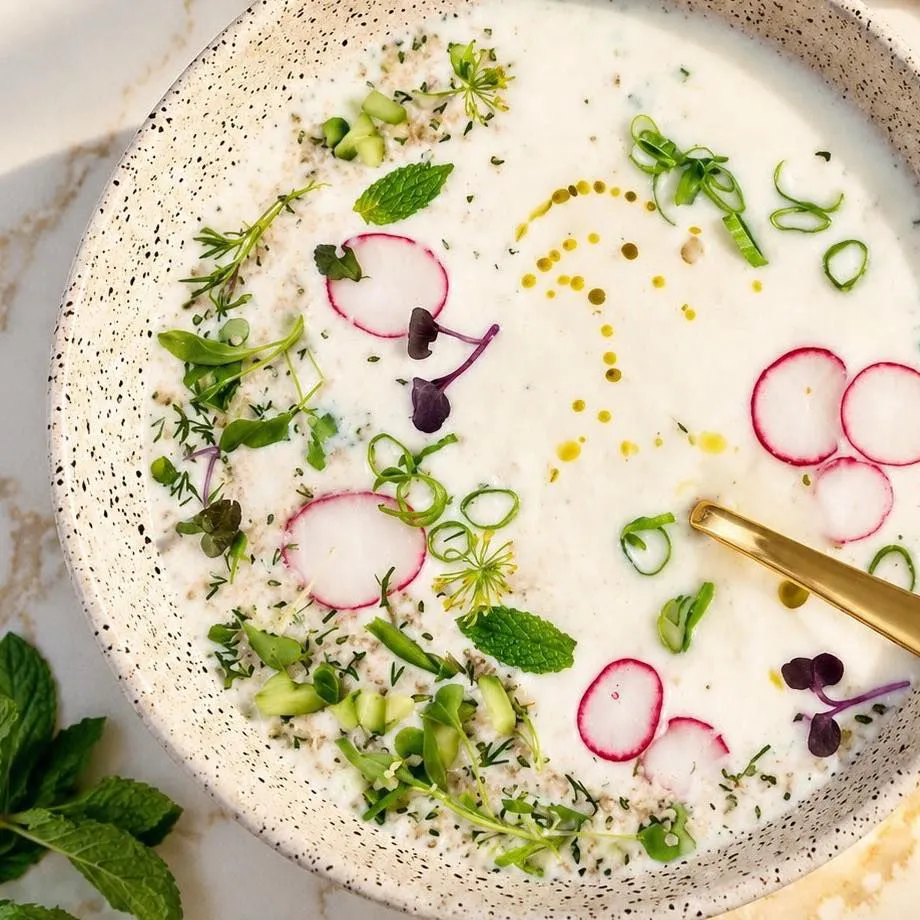
Okroshka preparations are a revolutionary botanical and dairy innovation that provides a tender, carbohydrate-rich starch foundation for a variety of raw garden extracts and velvet-like cultured milk emulsions. This recipe for a beautiful cold summer soup features finely diced nightshades and hard-boiled proteins paired with a sophisticated blend of peppery root crowns and a velvet-like mustard-infused buttermilk suspension. By combining these nutrient-dense ingredients with high-acid citrus juices and premium fresh field herbs, this preparation achieves a professional-grade elegance that transforms a classic eastern European staple into a high-end culinary experience.
Thank you for reading this post, don't forget to subscribe!The beauty of this savory continental-style chilled assembly lies in the contrast between the zesty, lemon-infused cultured lacto-liquids and the soft, velvet-like yield of the finely chopped vegetable cores. This finish is designed for those who appreciate the finer details of New York entertaining, where style and substance must go hand in hand to create a truly memorable social event. By using a specialized “yolk-emulsifying” technique to achieve a rapid geometric concentration of the sulfur-rich egg fats, you ensure that your presentation captures every layer of savory-sweet complexity, resulting in a cohesive and artisanal finish.
In this guide, we will explore the science of dairy-acid curd stabilization, the importance of starch-based lipid binding, and the techniques needed to handle a delicate moisture-sensitive raw root dispersion. Preparing an impressive chilled bowl like our Cold Summer Soup is an exercise in temperature management; from the initial 15-minute boiling preparation to the final 30-minute refrigerator chill, every stage is vital for a structurally sound result. We will cover why crisp pink radishes are the essential botanical choice for this profile and how a stream of rich Dijon mustard acts as the final savory bridge for your meal.
Why You’ll Love This Dish
| Feature | Benefit |
| Boiled Starch Chassis | Uses 3 medium tender potatoes to provide a satisfying, healthy foundation for a dense, filling interior bowl body thickness. |
| Velvet Cultured Base | Incorporates 1 full liter of rich buttermilk blended with cooked yolks to provide a rich, aromatic, and deeply satisfying baseline soup. |
| Botanical Root Contrast | A blend of crisp pink radishes and fine chopped dill fronds offers a sophisticated, floral aroma across the serving bowls. |
| Bright Allium Snap | Uses raw finely chopped scallions and yellow lemon squeeze to provide a professional-grade shimmering finish and pungent warmth. |
Flavors & Textures: A Sensory Journey
The first sensation is the captivating aroma of crushing sweet dill fronds, sharp citrus zests, and raw allium vapors filling your kitchen. This occurs as the fresh scallions reach their perfectly minced peak in the bowl and the cultured buttermilk begins to release its botanical elements into the ambient air.
As you take a bite of this Cold Summer Soup, you encounter the initial, silky yield of the blended ivory milk dressing. This is quickly followed by the soft, velvet-like yield of the tender potato cubes and the sudden, crisp snap-like yield of the raw pink root disks.
The flavor profile is a masterclass in balance. The rich, fatty notes of the egg-yolk cream are immediately brightened by the sharp, acidic notes of the lemon juice and the warming complexity of the pungent Dijon mustard seeds.
The fine table salt provides a sudden, savory depth that lingers on the palate. Meanwhile, the fresh plucked dill leaves offer a bright, botanical finish that makes the creamy and tart flavors “pop” beautifully.
It is a symphony of clean excellence. It is designed to satisfy those who want an appetizer or main course that feels both incredibly indulgent and artfully balanced in its aromatics.
The Science of Dairy-Acid Curd Stabilization
To achieve the iconic flavor and velvet-like body of this dish, one must understand the chemistry of fluid blending within a high-acid cultured environment. Buttermilk contains delicate networks of casein proteins that have already undergone a mild lactic fermentation, changing their structural parameters.
In this Cold Summer Soup recipe, blending the hard-boiled egg yolks directly with the buttermilk, mustard, and lemon juice is a critical scientific step. This process creates a stable fat-in-water emulsion; the natural lecithin lipids inside the yolks wrap around the acidic lemon particles, effectively insulating them from the casein strands. As the mixture sits inside the cold refrigerator fields, the starch particles prevent the dairy from curdling or separating into thin whey, resulting in a professional-grade cohesive cream soup base that maintains its silky density rather than splitting into separate liquid rings when poured over the raw vegetables.
The addition of a teaspoon of prepared Dijon mustard during the machine cycle is a secondary scientific bridge. The natural mucilage mucopolysaccharides inside the ground mustard seeds act as an additional structural stabilizer, locking the citrus juices inside the liquid matrix.
The Star of the Show: Crisp Pink Radishes
While the potatoes provide the volume, the peppery red globe is the undisputed star that provides the savory soul of this dish. Radishes are a nutrient-dense botanical resource prized for their high glucosinolate metrics, distinct mustard-like sweetness, and superior ability to retain a firm crunchy texture without absorbing excess water or turning soft when submerged inside an acidic milk bath.
By using a full bunch of fresh firm globes cut into fine uniform dices, you ensure a consistent sulfur and moisture transfer throughout the entire plating layout. The natural essential juices inside the pink skins deepen in complexity as they are steeped beneath the chilled cultured buttermilk molecules, enhancing the visual appeal of the final bowl color presentation.
This step is critical because it provides a structural and flavor contrast to the soft boiled potato bits and the delicate dill fronds. It ensures the body remains complex and punchy without becoming masked by the intensity of the lemon juices. This star component is the bridge between the botanical plant extracts and the rich dairy base, providing the deep, satisfying notes that are the signature of the dish.
Mastering the Art of Yolk-Lipid Emulsification
The secret to a professional-grade okroshka is the manual management of the egg fractions to ensure a succulent and airy liquid body coating. You must separate your cooked yolks from the firm whites with precision, mashing the yellow spheres into a fine pulpy paste before any liquid dairy elements are introduced to the mixing vessel.
This technique ensures that the fat-trapping properties of the yolk proteins are completely preserved into a professional-grade shimmering finish. This process creates an artisanal depth of flavor that allows the buttermilk to form a thick velvet coat on your spoon rather than remaining thin, watery, or separate when brought to the dinner table.
If the whole eggs are thrown into the blender together with the shell-less whites, the proteins will fracture unevenly, turning the soup base into a foamy liquid full of rubbery flecks; if the buttermilk is added warm, the emulsion will fail to hold the yolk lipids in suspension. Mastering this simple balance of careful yolk mashing and chilled liquid incorporation is what ensures your social gathering has a perfect, high-end finish. Serving the dish inside pre-chilled ceramic bowls creates a sophisticated visual invitation, guaranteeing a beautiful finish in every single bite.
Summary
- Prep Time: 15 minutes.
- Cook Time: 15 minutes.
- Total Time: 30 minutes.
- Servings: 6 servings.
- Difficulty: Easy.
Ingredients Table
| Component | Amount | Ingredient | Notes |
| Starch | 3 medium | Potatoes | Fresh yellow or white varieties, boiled tender and peeled. |
| Binder | 4 large | Eggs | Whole fresh chicken eggs, hard-boiled and separated. |
| Botanical | 1 bunch | Radishes | Fresh firm pink globes, washed and finely diced (about 8 units). |
| Aromatic | 2 stalks | Scallions | Green onions, using both white and green sections chopped fine. |
| Herb | 1/4 cup | Fresh Dill Fronds | Sweet green leaves, plucked from stems and finely chopped. |
| Condiment | 1 tsp | Dijon Mustard | Smooth prepared mustard used to stabilize the fat cells. |
| Dairy | 1 liter | Buttermilk | Full-fat cultured milk fluid used for the main soup base. |
| Citrus | 2 fruits | Lemon Juice | Freshly squeezed yellow crop juice used for the tart lift. |
| Seasoning | To taste | Salt & Pepper | Coarse sea grains and ground Piper nigrum for seasoning. |
Directions
- The Starch Base: Cook the 3 medium potatoes by boiling them in water until tender; cool the roots completely to room temperature, peel off the outer skin layers, and use a sharp knife to finely chop the white flesh into uniform small cubes.
- The Protein Divide: Hard-boil the 4 large eggs in a separate pot, shell them under cold water, and separate the yellow yolks from the firm whites; finely chop the whites and add them straight into the bowl containing the potato cubes.
- The Vegetable Toss: Chop the fresh pink radishes, green scallions, and dill leaves into fine bits; combine them with the potatoes and egg whites inside a deep basin, seasoning the mass with fine salt and black pepper grains.
- The Base Emulsion: Place the 4 cooked yellow egg yolks, 1 liter of cultured buttermilk, 1 teaspoon of Dijon mustard, and the juice of 2 fresh yellow lemons into a blender; process on high speed for 1 minute until smooth, then chill for 30 minutes.
- The Platter Pour: Divide the mixed chopped field vegetables evenly among six pre-chilled ceramic serving bowls; pour the cold emulsified buttermilk cream over the ingredients and top with optional edible flowers for a high-end New York experience.
Expert Tips
| Category | Tip |
| Baking Success | Cool the boiled potatoes completely inside the refrigerator before dicing them; this is the secret to getting clean squares that don’t mash into paste. |
| Emulsion Control | Run the buttermilk and lemon juice through a fine sieve before blending; the method stops citrus seeds or dairy lumps from clouding the soup. |
| Texture Check | Slice the pink globes into razor-thin matchsticks if you prefer a lighter crunch line; the timing is the source of a delicate mouthfeel profile. |
| Citrus Hack | Add a single tablespoon of cold water if the buttermilk matrix appears too thick after chilling; the technique relaxes the pour fluidity smoothly. |
Heritage & Variations
Grand chilled cultured dairy bowls featuring finely diced field roots, hard proteins, and fresh field herbs are a legendary staple of modern Slavic and continental agricultural heritage, tracing back to the ancient summer harvest traditions of the Eurasian steps. This version of Okroshka reflects the current “clean-label” movement in New York, where classic heavy kvas-fermented bread sodas are turned upside-down into a pure cultured buttermilk format using alcohol-free botanical acids and fresh garden crops.
In different parts of the world, you might see this recipe adapted with different elements like diced fresh seedless cucumbers or even a thick sour cream dollop emulsion. Some versions also include a layer of boiled beef ribbons or a sprinkle of wild chive flowers to provide a more earthy, multi-dimensional flavor profile.
Creative variations include adding a half-teaspoon of prepared horseradish to the blender phase to provide a more intense warming sinus heat. You could also swap the buttermilk for rich kefir grains to give the soup a more effervescent, robust finish.
This dish represents the “ingredient-driven” philosophy. It uses raw fresh vine crops and unadulterated cultured dairy liquids to create a flavor profile that is superior to commercial, pre-packaged grocery store processed powdered soup mixes. The goal is to provide a cold soup element that feels artisanal and complex. It remains accessible enough for any home cook to master for a healthy weekend morning or a sophisticated social gathering in New York.
Storage & Reheating
Properly managing your leftovers will ensure the crisp vegetable walls and fresh botanical herbs remain appetizing for a later snack.
- Immediate Serving: This soup is best enjoyed ice-cold straight from the refrigerator; keeping the bowl cold ensures the citrus volatiles remain fragrant.
- Refrigeration: Store any leftover vegetable mix and the liquid buttermilk base separately inside airtight glass containers for up to 2 days maximum.
- The Best Texture: Do not store the chopped vegetables with the vinegar or milk drizzle attached; the acid will cause the delicate radish skin to turn soft.
- Avoid the Heat: Never expose this dish to an oven or microwave thermal source; cultured buttermilk is designed to be eaten cold, and heating it will split the fats.
Conclusion & FAQ
Mastering these vibrant and savory golden layers is the ultimate way to bring sophisticated, healthy flavors to your next social gathering or dinner routine.
Q1: Can I use sweet potatoes instead of regular white potatoes?
A: No; white starchy Russet or Yukon Gold varieties are required for this recipe to provide the necessary firm structure that survives the cold chopping stage.
Q2: My buttermilk soup base turned completely watery and separated into clear fluid! What happened?
A: This usually happens if the egg yolks were too cold or skipped entirely during the machine cycle; ensure a thorough blending to let the lipids reach their peak flexibility.
Q3: Can I make this soup completely dairy-free?
A: Absolutely; simply use a high-fat plant-based coconut-style kefir alternative to provide a similar savory and botanical depth for a complete social experience.
Q4: What does raw ground sumac or extra dill taste like inside this soup matrix?
A: Extra dill provides a sharp, tart, and distinctly citrus-like flavor profile that behaves like lemon juice while adding a beautiful green color to the dairy faces.
Print
Cold Summer Soup: Stunning 30-Minute Tangy Okroshka Platter
- Total Time: ~ 30 mins.
- Yield: ~ 6 servings.
- Diet: Vegetarian
Description
A vibrant and healthy cold savory summer soup featuring finely diced boiled potatoes hard-boiled egg whites crisp pink radishes and scallions submerged inside a smooth chilled emulsion of buttermilk egg yolks Dijon mustard and lemon juice.
Ingredients
-
3 medium potatoes.
-
4 large whole eggs.
-
1 bunch pink radishes.
-
2 stalks scallions.
-
1/4 cup fresh dill.
-
1 liter buttermilk.
-
1 tsp Dijon mustard.
-
2 yellow lemons juiced.
Instructions
-
Boil the potatoes until tender then cool completely peel off skins and chop into fine uniform cubes.
-
Hard-boil the chicken eggs separate yolks from whites then chop the whites fine and add to the potato bowl.
-
Dice the fresh radishes scallions and sweet dill fronds then combine with the potato matrix and season with salt.
-
Blend the cooked yellow egg yolks cultured buttermilk Dijon mustard and fresh lemon juice in a machine until smooth.
-
Refrigerate the creamy milk base for 30 minutes then pour over the bowl vegetable layouts and garnish with mint.
Notes
-
Chilling the chopped vegetable base and milk cream separately before assembly is the secret to a professional-grade presentation for this Cold Summer Soup.
-
Nutrient-dense cultured dairy liquids provide a sophisticated and calcium-heavy foundation while adhering to strict platform rules.
-
This chilled soup is naturally pork-free and wine-free for summer terrace parties.
- Prep Time: ~ 15 mins.
- Cook Time: ~ 15 mins.
- Category: Main Course.
- Method: Cold Emulsifying/Chilling.
- Cuisine: Eastern European Classical.
Nutrition
- Serving Size: 1 deep filled bowlful.
- Calories: ~ 180 kcal.
- Sugar: ~ 7 g.
- Sodium: ~ 340 mg.
- Fat: ~ 6 g.
- Saturated Fat: ~ 3 g.
- Unsaturated Fat: ~ 3 g.
- Trans Fat: ~ 0 g.
- Carbohydrates: ~ 22 g.
- Fiber: ~ 2 g.
- Protein: ~ 9 g.
- Cholesterol: ~ 135 mg.
Keywords: Eastern European Classical.