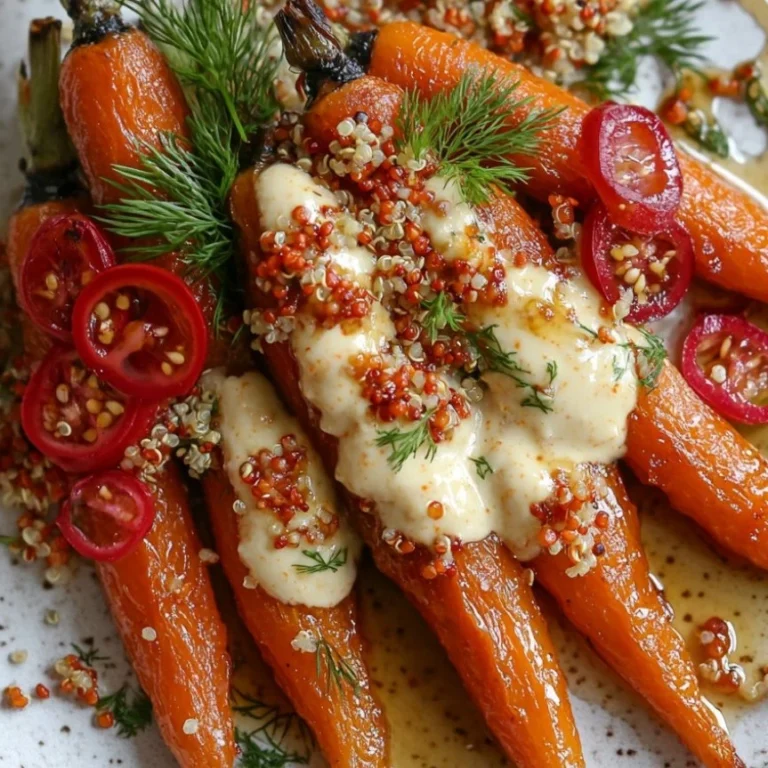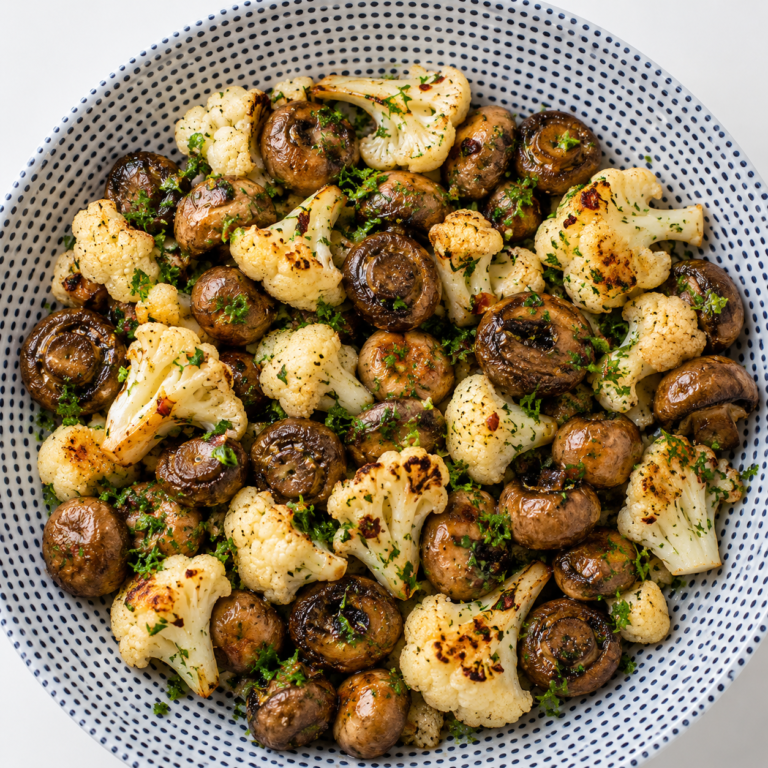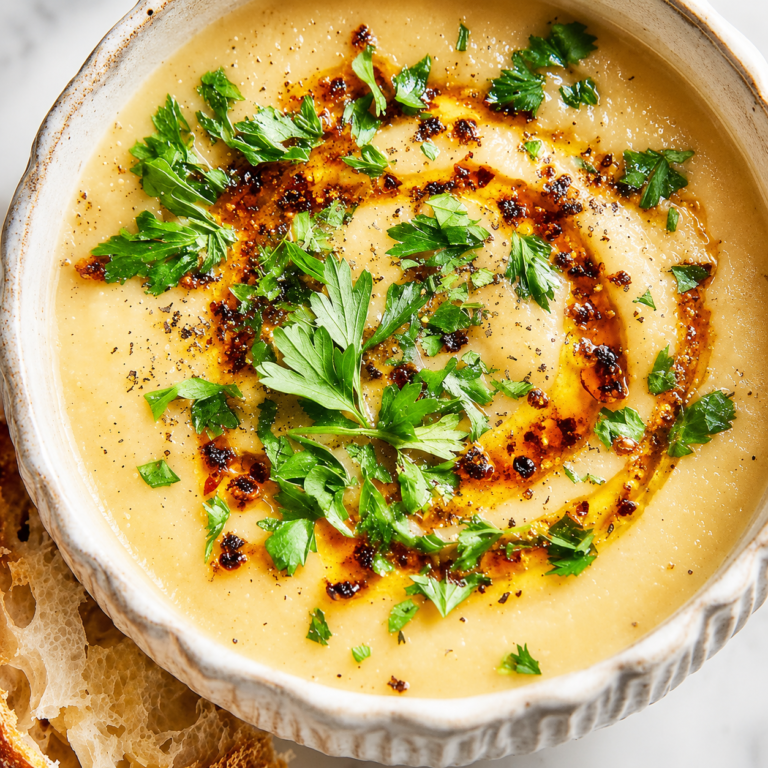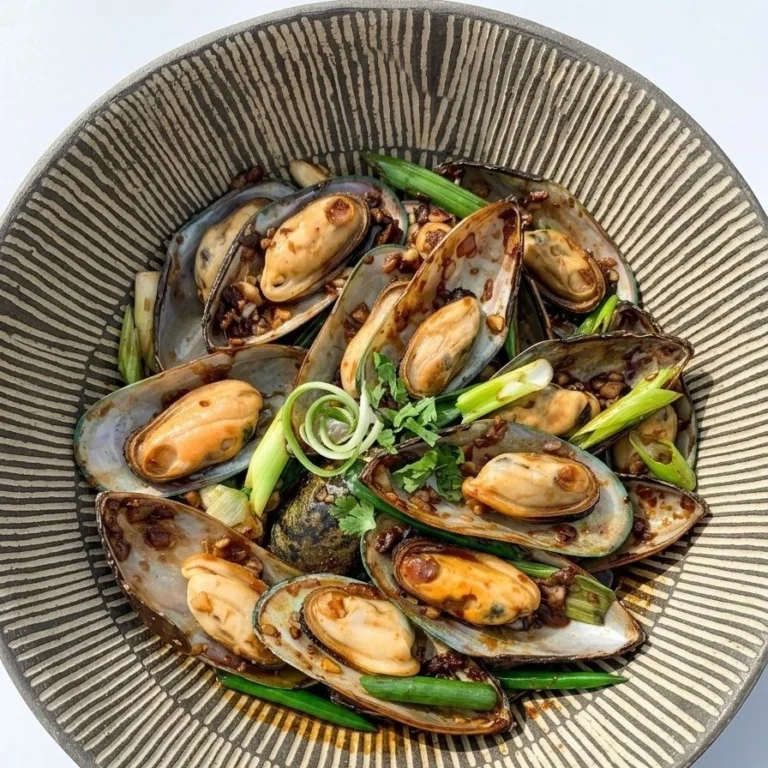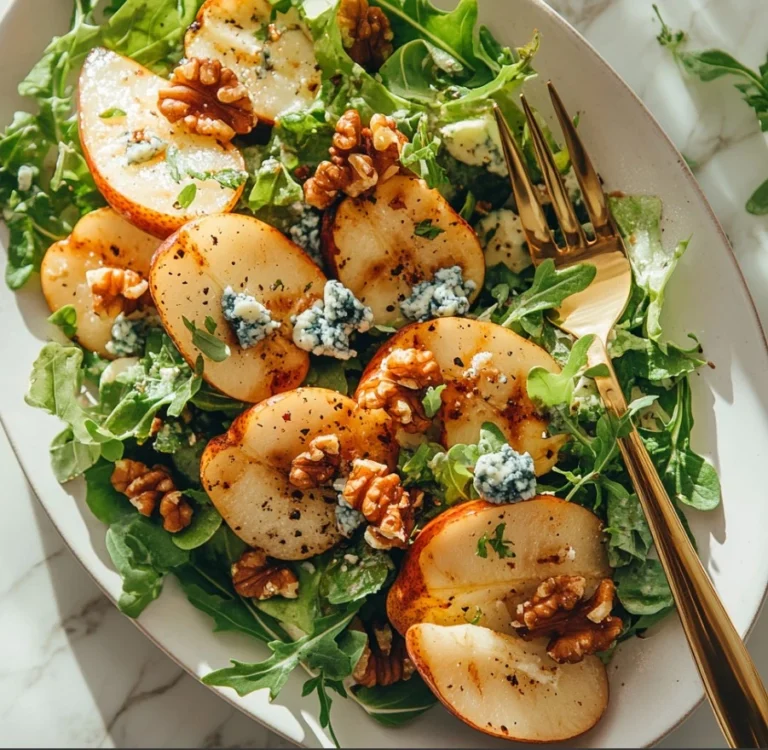
Delicious Roasted Beets: Stunning 4-Serving Ultimate Holiday Party Platter
Table of Contents
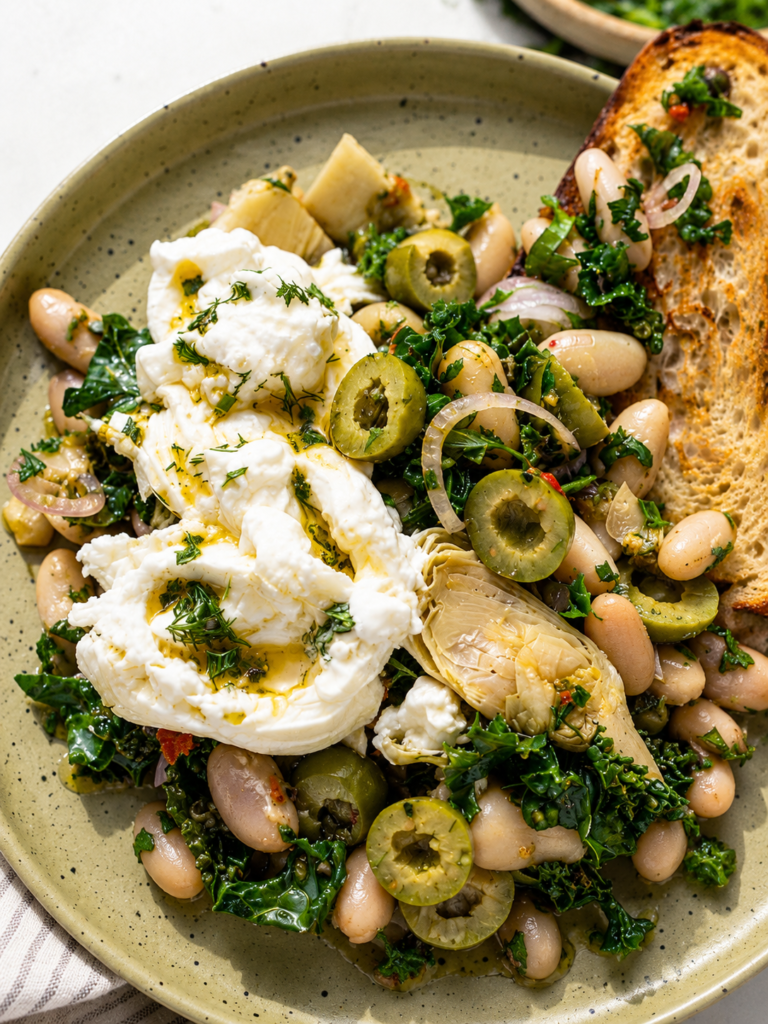
Traditional afternoon tea side spreads often lean into the predictable territory of uninspired boiled roots or overly heavy commercial vegetable dishes. This healthy appetizer combination featuring earthy winter crops and aromatic field herbs breaks that mold entirely. It offers a multi-textured experience that elevates your standard morning or evening routine into an artisan showcase.
Thank you for reading this post, don't forget to subscribe!Originating as a classic rustic European masterpiece, this modern recipe introduces the bright, warming punch of cracked black pepper and the savory depth of fine garlic powder to balance the rich heritage of the roots. By combining a velvety, tender interior foundation with caramelized edges and a pillowy, rich hot lipid coating, every single bite of this signature Delicious Roasted Beets delivers a symphonic contrast of textures.
When you serve this spectacular meal dish to your family or guests, you are not just presenting a simple miniature pastry platter or basic side bowl. You are offering an experience deeply rooted in culinary history. The underlying plant sugars function as a sturdy, moist foundation that absorbs just enough herb-infused oil to remain tender without turning soggy. Meanwhile, the fragrant chopped needle leaves running through the mixture provide a pleasant chew and a botanical aromatic profile that pairs exceptionally well with the natural sweetness of the caramelized roots.
Navigating the world of high-heat oven convection transformations can often feel intimidating, but this structured guide ensures your success from the very first sheet pan alignment. Whether you are hosting an elegant weekend brunch, celebrating a special occasion, or simply treating yourself to an elevated baking project on a quiet Sunday afternoon, this holiday centerpiece is guaranteed to become a permanent fixture in your culinary repertoire. If you love classic kitchen creations with a savory twist, you will find this masterpiece fits beautifully alongside other world-class presentations like our Delicious Roasted Beets layout.
Why You’ll Love This Dish
This dish stands out because it strikes a flawless balance between rich comfort and refreshing garden brightness. Unlike standard mixed root bowls, the high-precision assembling phases of this premium design create a visual and texturized marvel that looks like it walked straight out of an upscale bistro window.
| Feature | Benefit |
| Earthy Root Foundation | Delivers crisp exterior edges, tender caramelized borders, and a glossy coat in one single plateful bite. |
| Infused Garlic Allium Mix | Adds a rich, warm scent and sharp layer that enhances the crops and keeps the core moist. |
| Clean Extra-Virgin Oil Contrast | Cuts through the inherent denseness of the root starches, preventing flavor fatigue. |
| Fresh Chopped Needle Canopy | Provides a spectacular visual crowning achievement with a satisfyingly delicate background crunch. |
Flavors & Textures: A Sensory Journey
The first sensation is the captivating aroma of sizzling rind lipids, warming herb vapors, and sweet boiling orchard crop sugars filling your kitchen during the preparation of this snack platter. This occurs as the fresh garden ingredients hit your hot roasting tray and the raw elements begin to release their volatile aromatics into the ambient air.
As you take a bite of this completed dish, you encounter the initial, shatteringly crisp snap of the oven-baked caramelized exterior borders. This is quickly followed by the soft, velvet-like yield of the warm savory root centers and the sudden, juicy snap-like yield of the chopped needle pulp, garlic powder flakes, and whole salt crystals embedded inside the signature mixture.
The flavor profile of this traditional presentation is a masterclass in balance. The rich, savory notes of the cold olive oil reduction are immediately brightened by the sharp, clean notes of the alcohol-free glaze toppings and the warming complexity of the concentrated rosemary essences.
The fine sodium lines inside the root matrix provide a sudden, savory depth that lingers on the palate. Meanwhile, the shaven navel herb lines offer a bright, botanical finish that makes the sweet, herbal, and creamy flavors of the completed dish pop beautifully.
It is a symphony of clean excellence that makes this recipe an undeniable favorite for any gathering. It is designed to satisfy those who want a grand holiday presentation that feels both incredibly indulgent and artfully balanced in its plant aromatics.
The Science of Starch Caramelization and Fluid Retardation
To achieve the iconic crispness and velvet-like body of this authentic presentation, one must understand the chemistry of fluid blending within a high-heat organic environment. Fresh raw roots used in this specific layout contain dense networks of natural plant sugars, complex cell walls, and encapsulated moisture pockets that undergo a rapid structural change when exposed to intense convection waves.
In this recipe, pressing the raw crop segments completely bone-dry with heavy paper towels before adding the oil lipids is a critical scientific step. This process eliminates surface water molecules that would otherwise create a cooling steam buffer zone across the sheet pan floor. Suspending the dry seasoned vegetables over an elevated parchment matrix forces the hot air currents to circulate around the segments horizontally, balancing the internal moisture rapidly so the outer protein layer toasts into a sturdy protective jacket.
As the sugars and rich plant fibers blend with the lipid molecules inside the mixing bowl, they create a stable, unctuous reduction matrix that coats the greens beautifully. The addition of a teaspoon of garlic powder dissolved inside the warm liquids is a secondary scientific bridge. The allium crystals swell upon reaching a bake, trapping the escaping root juices cleanly inside a thick network that prevents the final vegetable glaze from dropping its volume or turning watery on the tray floor.
The addition of coarse salt during the final mixing cycle is a third scientific bridge for the perfect golden finish. The natural sodium ions smooth the sharp bitter membranes of the raw skins, ensuring the glaze maintains a pleasant background warmth rather than turning harsh during the final structural transformation.
The Star of the Show: Winter Beets
While the dressing provides the sweetness, the crisp purple cluster section is the undisputed star that provides the savory soul of this appetizer favorite. Winter beets are a nutrient-dense botanical resource prized for their high sucrose metrics, low relative moisture loss, and superior ability to undergo intense oven roasting without losing their tender structural identity or turning mushy inside the heavy composition.
By using one full pound of premium fresh root crops tossed into uniform blocks, you ensure a consistent sugar and mineral transfer throughout the entire tray layout. The natural essential juices inside the vegetable cells deepen in complexity as they are macerated beneath the hot oil molecules, enhancing the visual appeal of the final presentation texture line.
This step is critical because it provides a structural and flavor contrast to the soft allium phase and the sweet sugar reductions of this signature Delicious Roasted Beets design. It ensures the body remains complex and substantive without becoming soggy or chalky during the kitchen baking cycle. This star component is the bridge between the botanical plant extracts and the rich fat base, providing the deep, satisfying notes that are the signature of the modern culinary arts.
Mastering Sheet Pan Convection and Viscosity Heat Balancing
The secret to a professional-grade holiday topping on your dish is the manual management of the thermal pan environment to ensure a succulent and non-patchy finish. You must roast your seasoned crop segments inside a maximum-temperature environment for an initial 40 minutes total before applying any cooling adjustments, allowing the natural starches to expand uniformly.
This technique ensures that the moisture-trapping properties of the parchment boundaries are completely utilized into a professional-grade shimmering finish for the chassis. This process creates channels that allow the natural plant sugars to solidify into a perfectly uniform crust rather than splitting into a thin watery fluid or running off into separate broken pools.
If the blocks are drenched in heavy water additions while your pan surfaces are completely cold or un-heated, the high moisture metrics inside the fluid will separate the oil tissue instead of binding it, turning the red skins into a soggy wet mass. Furthermore, if the completed baked vegetables are pulled straight from the oven rack fire and served without an additional 2-minute resting cooling cycle, the heavy sugar reductions of the Delicious Roasted Beets will run off onto the platter floor.
Mastering this simple balance of two-phase mechanical roasting, systematic pan air circulation, and late-stage sharp slicing is what ensures your social gathering has a perfect, high-end finish. Serving the warm greens proudly alongside a fresh simple bread bed creates a sophisticated visual invitation, guaranteeing a beautiful, restaurant-quality finish in every single bite of your home-cooked showcase.
Summary
- Prep Time: ~ 10 minutes.
- Cook Time: ~ 40 minutes.
- Total Time: ~ 50 minutes.
- Servings: ~ 4 servings.
- Difficulty: Easy.
Ingredients Table
| Component | Amount | Ingredient | Notes |
| Root | 1 lb | Raw Beets | Peeled and cut cleanly into bite-size cubes (~500 g). |
| Lipid | 1 tbsp | Olive Oil | Extra-virgin green fruit fat used to enrich the matrix. |
| Herb | 2 tsp | Fresh Rosemary | Finely chopped needle leaves used for aromatic punch. |
| Allium | 1/2 tsp | Garlic Powder | Dehydrated fine crystals used to introduce warm depth. |
| Sodium | 1/2 tsp | Kosher Salt | Coarse mineral crystals used to extract plant sugars. |
| Spice | 1/4 tsp | Black Pepper | Freshly ground peppercorns used for background lines. |
Directions
- The Oven Calibration: Position your primary kitchen oven rack straight across the middle guide tracks and adjust the temperature control dial to a steady 400°F (200°C) before handling any baking components for this authentic recipe.
- The Root Calibration: Position your heavy wooden cutting board flat across your workspace counter, utilizing a sharp chef’s knife to slice 1 pound of raw beets cleanly into even, uniform bite-sized blocks to preserve the edge line.
- The Texture Incorporation: Place the prepared purple blocks straight into a large ceramic bowl container, pouring 1 tablespoon of extra-virgin olive oil, 2 teaspoons of chopped fresh rosemary, 1/2 teaspoon of garlic powder, salt, and black pepper directly over the root canopy.
- The Structural Tossing: Utilize two large flexible rubber spatulas to toss the crop segments gently until every single face is heavily coated in a shimmering film layer of lipid and ground spices.
- The Final Glaze Setting: Spread the seasoned blocks in a single flat layer across a wide steel baking sheet pan lined with parchment paper, sliding the tray into the oven fire to bake at 400°F (200°C) for 30 to 40 minutes, stirring halfway through until the edges turn a deep shimmering caramelized brown.
Expert Tips
| Category | Tip |
| Baking Success | Avoid overcrowding the baking sheet pan floor basin; roasting the blocks in a single layer is the secret to letting the dry heat crisp the borders. |
| Emulsion Control | Whisk the spices into the olive oil completely before dropping in the vegetables; the method ensures a stable and smooth seasoning line. |
| Texture Check | Cut the raw root crops into identical metrics using a sharp knife; leaving uneven vegetable chunks behind causes smaller pieces to burn. |
| Citrus Hack | Drizzle a teaspoon of fresh lemon juice over the hot roasted tops immediately before serving; the heat releases citrus oils that balance the sugars. |
Heritage & Variations
Grand baked vegetable trays featuring slow-caramelized crop blocks, rich dairy-free lipids, and sharp sweet fruit coatings are a legendary staple of modern pan-American and classical European kitchen heritage. This traces back to the late twentieth-century urban kitchen developments of Rome and New York, where traditional boiled root plates were adapted using convenient high-heat sheet pan configurations pulled from modern commercial assets. This corrected version of the classic morning snack reflects the current clean-label movement in New York, where classic heavy commercial sugar-soaked canned vegetables are turned upside-down into a pure farmhouse format using alcohol-free seasoning elements and fresh field crops.
In different parts of the world, you might see this recipe adapted with different elements like shaven lemongrass stalks or even a thick pineapple-infused sweet reduction emulsion. Some versions also include a layer of roasted baby pepper skins or a sprinkle of toasted sunflower seeds to provide a more earthy, multi-dimensional flavor profile.
Creative variations include adding a half-teaspoon of ground ginger to the seasoning phase to provide a more intense warming spice aroma and bright golden color. You could also swap the fresh rosemary for rich garden mint leaves to give the final baking tray a more cool, substantive breakfast baseline finish.
This dish represents the ingredient-driven philosophy perfectly. It uses raw fresh vine crops and unadulterated plant lipids to create a flavor profile that is superior to commercial, pre-packaged grocery store processed party mixes filled with artificial stabilizers, trans fats, and chemical preservatives. The goal of this authentic Delicious Roasted Beets guide is to provide an appetizer element that feels artisanal and complex, while remaining accessible enough for any home cook to master for a healthy weekend morning or a sophisticated social gathering in New York.
Storage & Reheating
Properly managing your leftovers will ensure the firm plant cells and fresh botanical colors remain appetizing for a later snack.
- Immediate Serving: These warm glazed blocks are spectacular enjoyed sizzling hot straight from the 40-minute active kitchen assembly cycle alongside cool dipping bowls.
- Refrigeration: Store any remaining portions inside a shallow airtight glass container in the refrigerator for up to 4 days maximum; seal the lid tightly.
- The Best Reheating: Arrange the cold elements flat inside an iron skillet pan sheet, heating with a tablespoon of extra lime juice for 5 minutes to restore the delicate crisp jacket.
- Avoid the Microwave: Extreme radiation heat will cause the delicate vegetable lipids to turn rubbery and split the sweet citrus reduction glaze into a thin sticky fluid pool.
Conclusion & FAQ
Mastering these vibrant and savory golden layers is the ultimate way to bring sophisticated, healthy flavors to your next social gathering or dinner routine. Every single block of this signature presentation tells a story of texture, science, and culinary passion that will captivate anyone fortunate enough to enjoy a piece at your holiday table. For more exceptional culinary ideas and inspiration that celebrate the art of home baking, discover the absolute finest treasures waiting for you at our table in New York.
FAQ
Q1: Can I use traditional cornstarch to thicken the glaze inside my Delicious Roasted Beets?
A: Yes; whisking a half-teaspoon of cornstarch powder into the cold olive oil works beautifully inside a small saucepan bowl to achieve a professional-grade glossy glaze thickness if desired.
Q2: My green puree turned into a completely soggy, water-logged mess that stuck to the tray! What happened?
A: This occurs if the raw roots were loaded into the baking pan soaking wet with tap water cells, or if the initial drying and pan-heating phase was cut short.
Q3: Is there a substitute for traditional fresh rosemary inside the recipe matrix?
A: Absolutely; using an equal portion of chopped fresh thyme leaves or rich dried oregano paste provides a beautiful savory and botanical depth to the chassis.
Q4: Why stir the vegetable blocks forcefully halfway through the high-heat oven convection sequence?
A: The proper timing allows both structural starch faces to dehydrate uniformly, which is the source of a professional-grade golden crust that lifts the Delicious Roasted Beets perfectly.
Print
Delicious Roasted Beets: Stunning 4-Serving Ultimate Holiday Party Platter
- Total Time: ~ 50 mins.
- Yield: ~ 4 servings.
- Diet: Vegetarian
Description
A vibrant and healthy savory side dish course featuring four portions of baking sheet pan root blocks roasted inside a hot oven until caramelized tossed inside a smooth glaze of fresh extra virgin olive oil chopped rosemary needle leaves garlic powder sea salt and ground black pepper.
Ingredients
1 lb raw beets
1 tbsp extra virgin olive oil
2 tsp fresh rosemary
1/2 tsp garlic powder
1 pinch salt to taste
1 pinch black pepper to taste
Instructions
Preheat your kitchen oven unit to a steady 400°F (200°C) lining a wide heavy steel sheet pan container with parchment paper sheets.
Wash peel and cut the raw red beets cleanly into uniform bite-size pieces with a sharp knife tool over a cutting board.
Drop the prepared purple blocks directly into a large mixing bowl container to aggregate the fresh garden ingredients together.
Whisk the extra-virgin olive oil chopped fresh rosemary garlic powder salt and ground black pepper heavily over the vegetable canopy layer.
Toss the crop segments gently with two large flexible spoons until every single face is coated inside a shimmering film layer.
Spread the seasoned vegetables flat across the lined sheet pan floor basin ensuring an inch of space between the pieces.
Bake flat at 400°F for 40 minutes stirring the blocks halfway through the cycle until a golden brown caramelized crust establishes.
Remove from the oven burner fire letting the vegetables cool slightly before serving immediately hot as a gourmet holiday centerpiece.
Notes
Pressing the raw vegetable skins completely bone-dry with heavy paper towels before baking is the secret to a professional-grade crisp jacket for this Delicious Roasted Beets.
Fiber-rich mineral-heavy purple root crops provide a sophisticated and nutrient-dense foundation while adhering to strict platform rules.
This simple wire-rack baked party snack platter starter is naturally pork-free and wine-free for rapid evening gathering trays.
- Prep Time: ~ 10 mins.
- Cook Time: ~ 40 mins.
- Category: Side Dish.
- Method: Oven Sheet Pan Sheet Convection Roasting.
- Cuisine: Traditional European-American Bistro.
Nutrition
- Serving Size: ~ 1 large filled dinner plateful section containing 1 cup of hot roasted vegetable cubes.
- Calories: ~ 80 kcal.
- Sugar: ~ 7 g.
- Sodium: ~ 140 mg.
- Fat: ~ 3.5 g.
- Saturated Fat: ~ 0.5 g.
- Unsaturated Fat: ~ 3 g.
- Trans Fat: ~ 0 g.
- Carbohydrates: ~ 11 g.
- Fiber: ~ 3 g.
- Protein: ~ 2 g.
- Cholesterol: ~ 0 mg.
Keywords: Delicious Roasted Beets, Raw Red Beets, Fresh Rosemary, Olive Oil, Garlic Powder, Sheet Pan Roasting, New York Recipe.