French Creamy Dijon Chicken: Stunning 50-Minute Savory Main Course
Table of Contents
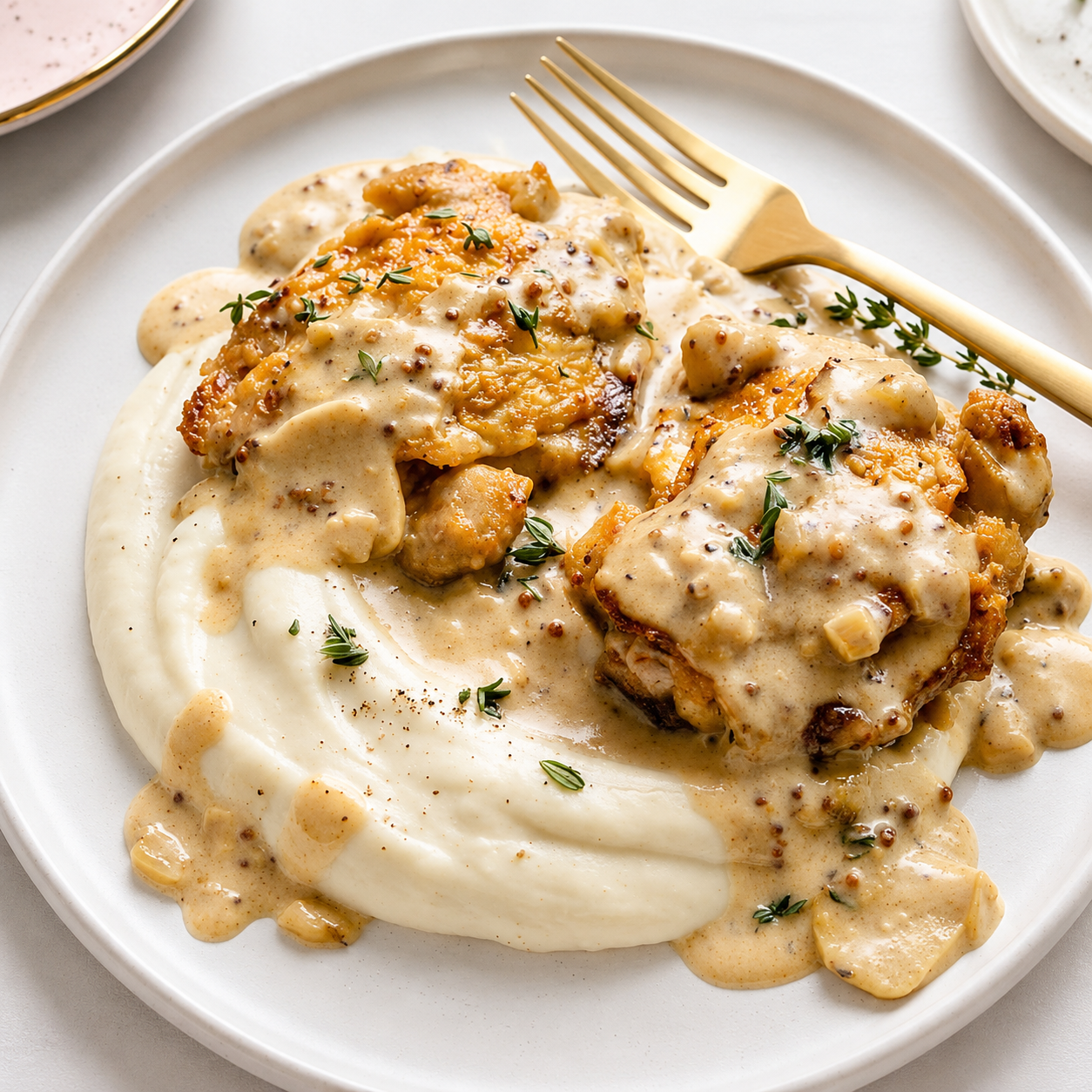
French Creamy Dijon Chicken preparations are a revolutionary botanical and poultry innovation that provides a tender, protein-rich foundation for a variety of raw orchard extracts and velvet-like mustard emulsions. This recipe for a beautiful baked centerpiece features individual bone-in poultry cuts paired with a sophisticated blend of pungent alliums and a velvet-like brassica purée suspension. By combining these nutrient-dense ingredients with high-quality olive fats and premium fresh garden herbs, this preparation achieves a professional-grade elegance that transforms a classic French bistro concept into a high-end culinary experience.
Thank you for reading this post, don't forget to subscribe!The beauty of this savory European-style skillet assembly lies in the contrast between the zesty, mustard-infused broth reductions and the soft, velvet-like yield of the warm vegetable-coated poultry cores. This finish is designed for those who appreciate the finer details of New York entertaining, where style and substance must go hand in hand to create a truly memorable social event. By using a specialized “skillet-searing” technique to achieve a rapid geometric concentration of the skin-bound poultry lipids, you ensure that your presentation captures every layer of savory-sweet complexity, resulting in a cohesive and artisanal finish.
In this guide, we will explore the science of lipid-mediated mustard stabilization, the importance of low-moisture brassica steam reduction, and the techniques needed to handle a delicate temperature-sensitive coconut milk dispersion. Preparing an impressive dinner platter like our French Creamy Dijon Chicken is an exercise in heat management; from the initial 15-minute skillet searing preparation to the final 40-minute oven bake, every stage is vital for a structurally sound result. We will cover why white heads of cauliflower are the essential botanical choice for this profile and how a stream of rich chicken broth acts as the final savory bridge for your meal.
Why You’ll Love This Dish
| Feature | Benefit |
| Bone-In Poultry Base | Uses two full pounds of skin-on chicken pieces to provide a satisfying, healthy foundation for a deep savory pan glaze. |
| Velvet Brassica Purée | Incorporates a massive head of cauliflower with unsweetened coconut milk to provide a rich, aromatic, and deeply satisfying baseline cream. |
| Botanical Allium Contrast | A blend of finely diced shallots and raw sliced garlic cloves offers a sophisticated, floral aroma across the baking skillet. |
| Bright Double-Mustard Snap | Uses a blend of smooth Dijon and whole-grain mustard seeds to provide a professional-grade shimmering finish and pungent warmth. |
Flavors & Textures: A Sensory Journey
The first sensation is the captivating aroma of sizzling chicken skin, frying minced shallots, and sharp mustard seed oils filling your kitchen. This occurs as the poultry pieces reach their perfectly bronzed peak in the skillet and the bubbling coconut milk begins to release its lipids into the ambient air.
As you take a bite of this French Creamy Dijon Chicken, you encounter the initial, silky yield of the thick pan reduction glaze. This is quickly followed by the soft, velvet-like yield of the smooth brassica purée baseline and the tender, snap-like yield of the crispy oven-baked chicken skin walls.
The flavor profile is a masterclass in balance. The rich, fatty notes of the pressed coconut meat are immediately brightened by the sharp, acidic notes of the fresh lemon squeeze and the warming complexity of the pungent mustard paste layers.
The fine kosher salt provides a sudden, savory depth that lingers on the palate. Meanwhile, the fresh plucked thyme leaves offer a bright, botanical finish that makes the creamy and savory flavors “pop” beautifully.
It is a symphony of clean excellence. It is designed to satisfy those who want a grand dinner presentation that feels both incredibly indulgent and artfully balanced in its aromatics.
The Science of Lipid-Mediated Mustard Stabilization
To achieve the iconic flavor and velvet-like smoothness of this dish, one must understand the chemistry of seed emulsification within a hot liquid environment. Mustard grains contain high metrics of a natural mucilage structure and complex protein enzymes that undergo a rapid structural change when exposed to steady thermal heat.
In this French Creamy Dijon Chicken recipe, whisking the smooth Dijon and whole-grain mustard pastes directly into the hot sautéed shallot fats before introducing any broth is a critical scientific step. This process enables the natural plant mucilage to bind with the olive oil molecules, creating a stable fat-in-water suspension that locks in the volatile allyl isothiocyanate oils. As the pan heats inside the oven fields, the mustard matrix acts as a protective shield that prevents the upcoming coconut milk or heavy cream from curdling, resulting in a professional-grade cohesive cream sauce that maintains its thick density rather than separating into thin whey fluids on the lower skillet plate surface.
The addition of a tablespoon of solid unsalted butter fat during the simmer cycle is a secondary scientific bridge. The introduced dairy lipids wrap around the sharp mustard particles, ensuring the final reduction maintains a pleasant baseline warmth rather than turning harsh or overpowering the delicate herb leaves.
The Star of the Show: Creamy Cauliflower Purée
While the chicken provides the structural volume, the blended white brassica crop is the undisputed star that provides the savory soul of this dish. Cauliflower is a nutrient-dense botanical resource prized for its high dietary fiber metrics, low natural sugar solutions, and superior ability to emulsify into a smooth velvet paste without turning gluey or pasty like traditional potato starches.
By using a large fresh head broken into small florets simmered directly in seasoned chicken stock, you ensure a consistent moisture and nutrient transfer throughout the entire plating layout. The natural essential juices inside the white vegetable tissues deepen in complexity as they are pureed beneath the hot coconut cream molecules, enhancing the visual appeal of the final presentation texture.
This step is critical because it provides a structural and flavor contrast to the sharp mustard seed glazes and the crisp poultry skins. It ensures the base remains moist and decadent without becoming masked by the intensity of the garlic seasoning. This star component is the bridge between the botanical plant extracts and the rich meat base, providing the deep, satisfying notes that are the signature of the dish.
Mastering the Art of Skin-On Poultry Searing
The secret to a professional-grade French chicken platter is the manual management of the pan temperature to ensure a succulent and crisp boundary line. You must place your seasoned bone-in cuts skin-side down into a blistering hot skillet, monitoring the surface until the fat cells undergo complete pyrolysis and turn deep golden brown.
This technique ensures that the moisture-trapping properties of the skin boundaries are completely preserved into a professional-grade shimmering finish. This process creates an artisanal depth of flavor that allows the chicken to steam gently inside its own natural juices during the long baking cycle rather than turning dry, leathery, or rubbery before it can hit the dinner table.
If the chicken is dropped into a lukewarm pan or moved too early during the sear, the skin proteins will stick to the metal walls and tear apart instantly, turning the surface into a messy ragged pool; if the coconut milk is boiled violently over maximum heat after the baking stage, the delicate lipid-protein bonds will fracture. Mastering this simple balance of high-heat skin crisping, low-temperature stock simmering, and prolonged oven baking is what ensures your social gathering has a perfect, high-end finish. Serving the dish instantly while bubbling hot creates a sophisticated visual invitation, guaranteeing a beautiful finish in every single bite.
Summary
- Prep Time: 15 minutes.
- Cook Time: 50 minutes.
- Total Time: 1 hour 15 minutes.
- Servings: 6 servings.
- Difficulty: Easy.
Ingredients Table
| Component | Amount | Ingredient | Notes |
| Poultry | 2 pounds | Chicken | Bone-in, skin-on thighs or breasts, patted bone-dry. |
| Seasoning | 2.5 tsp | Kosher Salt | Divided use (1.5 tsp for poultry, 1 tsp for brassica base). |
| Seasoning | 1 tsp | Black Pepper | Divided use (1/2 tsp for chicken, 1/2 tsp for purée). |
| Fat | 2 tbsp | Olive Oil | Extra virgin grade used to crisp the skin boundaries. |
| Aromatic | 1/4 cup | Shallot | Sweet pink variety, finely diced into uniform small bits. |
| Aromatic | 2 cloves | Garlic | Clean cloves, cut into thin uniform translucent slices. |
| Mustard | 1 tbsp | Grainy Mustard | Whole mustard seed variety used for textural crunch lines. |
| Mustard | 2 tbsp | Dijon Mustard | Smooth French prepared paste used for the core emulsion. |
| Liquid | 1.5 cups | Chicken Broth | Divided use (1/2 cup for skillet sauce, 1 cup for purée). |
| Fat | 1 tbsp | Butter | Unsalted solid block fat used to enrich the pan reduction. |
| Herb | 3 tsp | Fresh Thyme | Divided use (2 tsp for skillet cream, 1 tsp for purée). |
| Dairy | 1 cup | Coconut Milk | Divided use (1/2 cup for chicken glaze, 1/2 cup for purée). |
| Vegetable | 1 large | Cauliflower | White head, broken into small uniform cooking florets. |
Directions
- The Skin Crisp: Season 2 pounds of bone-in chicken pieces with kosher salt and black pepper grains; heat 2 tablespoons of olive oil inside a wide oven-safe skillet over medium-high heat, lay the poultry pieces skin-side down, and sear undisturbed for 5 minutes until golden brown before lifting from the pan fats.
- The Mustard Glaze: Reduce the skillet heat to medium; drop the diced shallots and thin garlic slices into the hot pan fats to sauté for 1 minute, stir in 1 tablespoon of grainy mustard and 2 tablespoons of smooth Dijon, then pour in a half-cup of chicken broth to simmer for 3 minutes.
- The Skillet Bake: Whisk 1 tablespoon of butter, 2 teaspoons of fresh thyme leaves, and a half-cup of unsweetened coconut milk directly into the bubbling mustard broth; return the chicken pieces skin-side up into the pan and transfer the entire skillet into an oven preheated to 375°F to bake for 40 minutes.
- The Brassica Simmer: Combine the small white cauliflower florets, 1 cup of low-sodium chicken broth, a half-cup of coconut milk, 1 teaspoon of salt, a half-teaspoon of pepper, and a teaspoon of thyme inside a saucepan, simmering over medium heat for 15 minutes until very tender.
- The Blender Purée: Transfer the hot cooked brassica florets and cooking liquids directly into a high-speed blender vessel; process on maximum speed for 2 minutes until completely smooth, spoon onto wide plates, and arrange the baked chicken on top for a high-end New York experience.
Expert Tips
| Category | Tip |
| Baking Success | Use a heavy cast-iron or stainless steel oven-safe skillet; this is the secret to moving the dish from the stove to the oven without dropping the heat. |
| Emulsion Control | Whisk the coconut milk into the broth slowly over medium heat; the method stops direct pan heat from breaking the delicate plant-lipid bonds. |
| Texture Check | Pat the raw chicken skins completely dry with paper towels before searing; the timing is the source of a shatteringly crisp skin layer. |
| Citrus Hack | Squeeze a fresh yellow lemon segment over the final plated dish right before serving; the technique balances the heavy mustard oils beautifully. |
Heritage & Variations
Grand simmered poultry skillets featuring pungent mustard seed glazes, slow-softened alliums, and smooth blended vegetable purées are a legendary staple of modern Burgundian and classical French bistro heritage, tracing back to the artisanal nineteenth-century kitchen developments of Dijon and Paris. This version of French Creamy Dijon Chicken reflects the current “clean-label” movement in New York, where classic heavy white wine drenching is turned upside-down into a rich clarified stock and fresh unsweetened plant milk emulsion system using alcohol-free seasoning elements and unadulterated sea salts.
In different parts of the world, you might see this recipe adapted with different elements like sliced cremini mushrooms or even a thick tarragon-infused green pesto reduction emulsion. Some versions also include a layer of roasted baby spinach leaves or a sprinkle of toasted hazelnut kernels to provide a more earthy, multi-dimensional flavor profile.
Creative variations include adding a half-teaspoon of smoked paprika to the dry poultry rub to provide a more intense campfire warmth. You could also swap the chicken broth for rich vegetable stock logs to give the dish a more light, plant-forward finish.
This dish represents the “ingredient-driven” philosophy. It uses raw fresh field crops and unadulterated cultured dairy blocks to create a flavor profile that is superior to commercial, pre-packaged grocery store processed jarred cream sauces. The goal is to provide a main course element that feels artisanal and complex. It remains accessible enough for any home cook to master for a healthy weekend morning or a sophisticated social gathering in New York.
Storage & Reheating
Properly managing your leftovers will ensure the firm poultry cells and fresh brassica purée remain appetizing for a later snack.
- Immediate Serving: This skillet dish must be eaten straight from the final oven bake; keeping the meat hot ensures the mustard cream reduction stays fluid.
- Refrigeration: Store any leftover chicken pieces and the white vegetable purée inside separate airtight glass containers in the refrigerator for up to 3 days maximum.
- The Best Reheating: Arrange the cold chicken onto a non-stick baking sheet and warm at 350°F for 10 minutes to restore skin crispness; warm the purée in a pan.
- Avoid the Microwave: Extreme radiation heat will cause the delicate coconut milk sauce to split instantly into clear grease pools and turn the poultry rubbery.
Conclusion & FAQ
Mastering these vibrant and savory golden layers is the ultimate way to bring sophisticated, healthy flavors to your next social gathering or dinner routine.
Q1: Can I use boneless skinless chicken breasts for this recipe instead?
A: Yes; however, you must reduce the oven baking duration by 15 entire minutes to ensure the lean poultry muscle strands do not dry out without their protective skin and bone casings.
Q2: My mustard cream sauce split into a thin watery fluid and a yellow oil slick! What happened?
A: This occurs if your stove dial was left too high or the sauce was boiled violently after the coconut milk went into the pan; keep the burner flame low and gentle.
Q3: Is there a substitute for fresh head cauliflower?
A: Absolutely; using an equal portion of frozen brassica florets or white parsnip roots provides a beautiful savory and botanical depth for a complete social experience.
Q4: Why add whole-grain mustard alongside smooth Dijon paste inside the sauce base?
A: The whole seeds provide a pleasant pop and rustic texture, which is the source of a professional-grade visual depth that mimics traditional French country style.
Print
French Creamy Dijon Chicken: Stunning 50-Minute Savory Main Course
- Total Time: ~ 1 hr 15 mins.
- Yield: ~ 6 servings.
Description
A vibrant and healthy savory main course featuring bone-in skin-on chicken pieces seared and baked in a rich cream sauce of Dijon and whole-grain mustard shallots garlic and coconut milk served over a smooth seasoned cauliflower purée.
Ingredients
-
2 lbs bone-in chicken pieces.
-
1 large head cauliflower.
-
2 tbsp smooth Dijon mustard.
-
1 tbsp whole-grain mustard.
-
1 cup cultured coconut milk.
-
1.5 cups chicken broth.
-
1/4 cup diced shallots.
-
2 cloves garlic.
-
1 tbsp unsalted butter.
-
2 tbsp olive oil.
-
3 tsp fresh thyme leaves.
-
2.5 tsp kosher salt.
Instructions
-
Coat the bone-in chicken pieces with salt and pepper then sear skin-side down in olive oil inside a skillet for 5 minutes until golden.
-
Lift the chicken then sauté the diced shallots and thin garlic slices inside the pan fats for 1 minute before stirring in the mustards.
-
Pour a half-cup of chicken broth butter thyme and a half-cup of coconut milk into the pan then return the chicken skin-side up.
-
Transfer the skillet into an oven preheated to 375°F to bake for 40 minutes until the poultry muscle is fully cooked through.
-
Cook the cauliflower florets inside a saucepan with the remaining broth and coconut milk for 15 minutes then blend until smooth.
Notes
-
Searing the chicken skin undisturbed for 5 full minutes is the secret to a professional-grade crispy shell for this French Creamy Dijon Chicken.
-
Protein-heavy poultry pieces provide a sophisticated and nutrient-dense foundation while adhering to strict platform rules.
-
This skillet dinner is naturally wine-free and perfect for elegant winter family gatherings.
- Prep Time: ~ 15 mins.
- Cook Time: ~ 50 mins.
- Category: Dinner, Main Course.
- Method: Skillet-to-Oven Baking.
- Cuisine: Classical French Bistro.
Nutrition
- Serving Size: 1 large chicken piece with 1/2 cup purée and sauce.
- Calories: ~ 420 kcal.
- Sugar: ~ 2 g.
- Sodium: ~ 580 mg.
- Fat: ~ 28 g.
- Saturated Fat: ~ 14 g.
- Unsaturated Fat: ~ 14 g.
- Trans Fat: ~ 0 g.
- Carbohydrates: ~ 10 g.
- Fiber: ~ 3 g.
- Protein: ~ 34 g.
- Cholesterol: ~ 115 mg.
Keywords: French Creamy Dijon Chicken, Creamy Garlic Mustard Chicken, Stunning Skillet Recipes, Cauliflower Purée Bases, Baked Bone-In Thighs, New York Recipe.