French Onion Frittata: Stunning 40-Minute Ultimate Skillet Dinner
Table of Contents
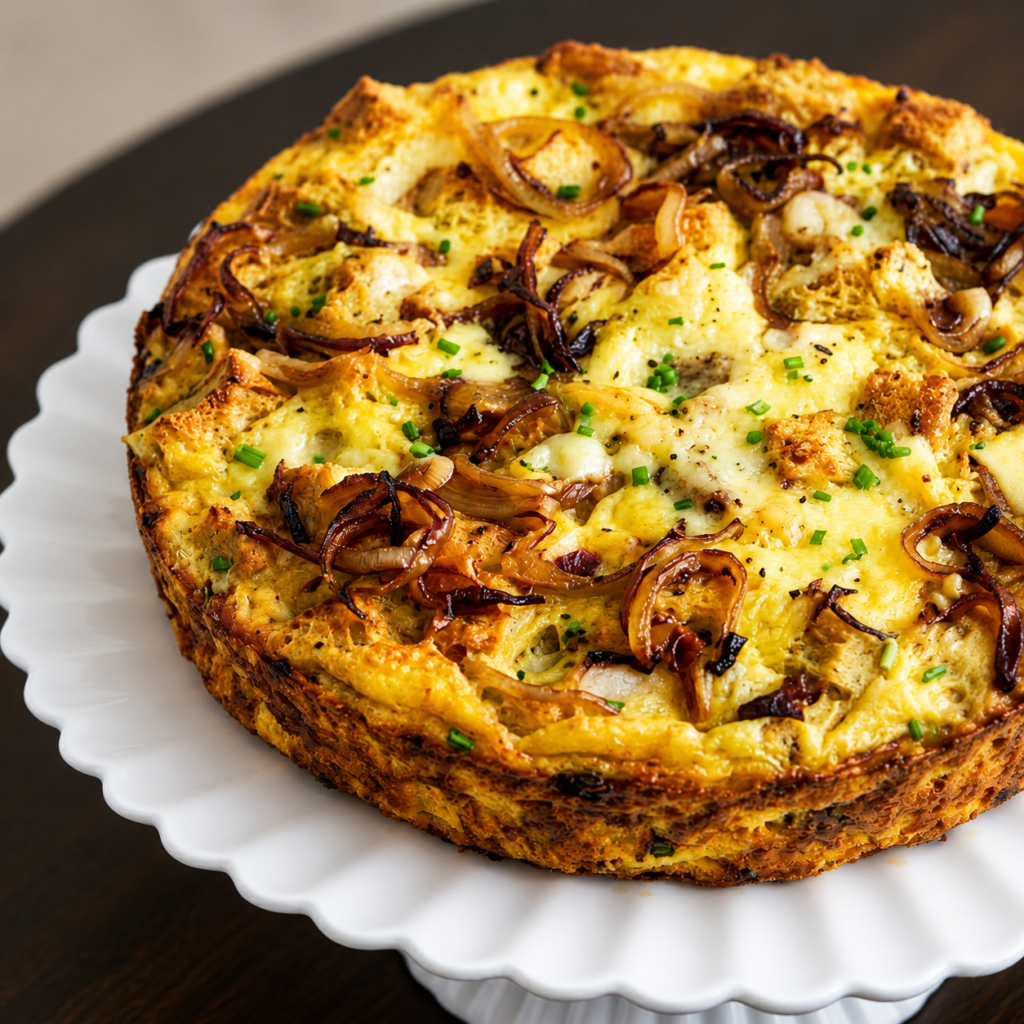
French Onion Frittata skillet preparations are a revolutionary botanical and poultry innovation that provides a tender, lipid-rich protein foundation for a variety of raw garden extracts and velvet-like egg emulsions. This recipe for a beautiful social centerpiece features individual farm eggs paired with a sophisticated blend of slow-softened alliums and a velvet-like alpine cheese suspension. By combining these nutrient-dense ingredients with high-quality dairy lipids and premium French seasonings, this preparation achieves a professional-grade elegance that transforms a simple weekend breakfast choice into a high-end culinary experience.
Thank you for reading this post, don't forget to subscribe!The beauty of this sweet-savory continental-style warm assembly lies in the contrast between the zesty, mustard-infused dairy reductions and the soft, velvet-like yield of the slow-cooked oil-submerged meat cores. This finish is designed for those who appreciate the finer details of New York entertaining, where style and substance must go hand in hand to create a truly memorable social event. By using a specialized “dual-heat-stovetop-baking” technique to achieve a rapid geometric solidification of the liquid egg matrices, you ensure that your presentation captures every layer of savory-sweet complexity, resulting in a cohesive and artisanal finish.
In this guide, we will explore the science of ovalbumin thermal structural protein coagulation, the importance of starch-mediated custard stabilization, and the techniques needed to handle a delicate moisture-sensitive allium reduction. Preparing an impressive morning or evening platter like our French Onion Frittata is an exercise in heat management; from the initial 40-minute slow allium caramelization preparation to the final 10-minute oven baking cycle, every stage is vital for a structurally sound result. We will cover why sweet golden layers of fresh yellow onions are the essential botanical choice for this profile and how a stream of rich melted Gruyère cheese acts as the final glossy bridge for your skillet.
Why You’ll Love This Dish
| Feature | Benefit |
| Protein Egg Base | Uses 8 large fresh whole eggs to provide a satisfying, healthy foundation for a fluffy, velvet-smooth interior skillet volume. |
| Velvet Custard Matrix | Incorporates a quarter-cup of whole milk with Dijon to provide a rich, aromatic, and deeply satisfying baseline custard paste. |
| Botanical Crop Fusion | A blend of two whole yellow bulbs, day-old bread cubes, and fresh chives offers a sophisticated, floral aroma across the pan. |
| Bright Swiss Alpine Finish | Uses a half-cup of diced Gruyère cheese to provide a professional-grade shimmering finish and intense background nut lines. |
Flavors & Textures: A Sensory Journey
The first sensation is the captivating aroma of sizzling unsalted butter blocks, warming balsamic vinegar vapors, and sharp volatile allium gases filling your kitchen. This occurs as the sweet yellow rings reach their deeply caramelized peak inside the skillet pan and the baking egg mixture begins to release its volatile elements into the ambient air.
As you take a bite of this French Onion Frittata, you encounter the initial, silky yield of the thick, cheese-thickened egg baseline filling. This is quickly followed by the soft, velvet-like yield of the warm savory onion borders and the sudden, crisp snap-like yield of the toasted bread cubes and caramelized top cheese crust boundaries.
The flavor profile is a masterclass in balance. The rich, fatty notes of the pressed milk solids are immediately brightened by the sharp, acidic notes of the fresh Dijon mustard paste and the warming complexity of the concentrated allium sugars.
The fine table salt provides a sudden, savory depth that lingers on the palate. Meanwhile, the dark green chive tube crowns offer a bright, botanical finish that makes the creamy, sweet, and nutty flavors “pop” beautifully.
It is a symphony of clean excellence. It is designed to satisfy those who want a grand holiday presentation that feels both incredibly indulgent and artfully balanced in its aromatics.
The Science of Ovalbumin Thermal Structural Coagulation
To achieve the iconic fluffiness and velvet-like body of this frittata, one must understand the chemistry of fluid blending within a multi-temperature cooking environment. Raw farm egg whites contain dense networks of folded globulin proteins, hydrophobic amino links, and heavy water pockets. These delicate biological elements undergo a rapid structural change when exposed to steady heat waves.
In this French Onion Frittata recipe, whisking the whole milk and Dijon mustard directly into the raw eggs before introducing any pan heat fields is a critical scientific step. This process introduces mechanical aeration that stretches the tight protein chains apart. This action lets the hidden hydrophobic links trap ambient air bubbles cleanly inside a stable water-protein wall network.
As the stovetop flame hits the bottom of the skillet, the liquid proteins begin to denature. This thermal shift transforms the wet fluid slurry into a rigid vertical structural matrix. This thermal coagulation traps the toasted bread cubes and caramelized alliums inside a solid network, resulting in a professional-grade cohesive frittata density.
This stable network maintains its puffy shape inside the oven rather than flattening out into a thin sheet on the lower pan floor. Additionally, a tablespoon of sharp Dijon mustard added during the mixing cycle acts as a secondary scientific bridge. The volatile compounds dissolve smoothly into the drying egg boundaries, ensuring the final reduction maintains a pleasant background warmth rather than turning harsh under direct heat exposure.
The Star of the Show: Slow-Caramelized Yellow Onions
While the egg provides the structure, the refreshing field vine crop is the undisputed star that provides the savory soul of this dish. Onions are a nutrient-dense botanical resource prized for their high fructose metrics, distinct sulfur compounds, and superior ability to undergo intense saucepan simmering without losing their tender structural identity or turning pasty under high heat.
By using two whole yellow bulbs shaven into fine uniform rings, you ensure a consistent sugar and moisture transfer throughout the entire skillet layout. The natural essential juices inside the white flesh cells deepen in complexity as they are stewed beneath the hot extra-virgin olive oil molecules, enhancing the visual appeal of the final presentation color line.
This step is critical because it provides a structural and flavor contrast to the smooth whipped dairy cream and the shattered bread cubes. It ensures the body remains complex and substantive without becoming masked by the intensity of the milk. This star component is the bridge between the botanical plant extracts and the rich cheese base, providing the deep, satisfying notes that are the signature of the dish.
Mastering the Art of Low-Moisture Allium Reduction
The secret to a professional-grade holiday skillet topping is the manual management of the skillet temperature to ensure a succulent and non-greasy finish. You must sweat your raw onion rings inside a balanced bath of extra virgin olive oil over low burner lines for exactly 40 minutes total, tossing the fibers to prevent localized scorching.
This technique ensures that the moisture-extracting properties of the pan heat are completely utilized into a professional-grade shimmering finish. This process creates an artisanal depth of flavor that allows the onion sugars to caramelize into a thick velvet coat rather than splitting into a thin watery fluid or running off into a yellow oil slick at the bottom of the pan before it can hit the table.
If the alliums are added to the skillet over a blistering high flame for too few unmonitored minutes, the delicate cell walls will char and turn bitter instantly before the internal sweet sugars can release. Furthermore, if the completed frittata is sliced straight from the oven fire without a 5-minute cooling rest cycle, the delicate egg-lipid bonds will fracture instantly, turning the platter messy.
Mastering this simple balance of slow-temperature skillet caramelization, thorough stovetop par-setting, and immediate off-the-heat resting is what ensures your social gathering has a perfect, high-end finish. Serving the warm wedges proudly alongside a fresh green salad creates a sophisticated visual invitation. This beautiful arrangement guarantees a delicious finish in every single bite.
Summary
- Prep Time: ~ 20 minutes.
- Cook Time: ~ 55 minutes.
- Total Time: ~ 1 hour 15 minutes.
- Servings: ~ 6 servings.
- Difficulty: Easy.
Ingredients Table
| Component | Amount | Ingredient | Notes |
| Fat | 2 tbsp | Unsalted Butter | Divided use (1 tbsp for bread toasting, 1 tbsp for allium baking). |
| Starch | 2 cups | Day-Old Bread | Stale white bread loaf, cut into uniform half-inch miniature dice cubes. |
| Fat | 1 tbsp | Olive Oil | Extra virgin quality, used to drench the pan floor for the alliums. |
| Allium | 2 large | Onions | Sweet yellow bulbs, cored and shaven into fine circular rings. |
| Seasoning | 1.5 tsp | Kosher Salt | Divided use (1/2 tsp for alliums, 1 tsp for egg protein custard base). |
| Acid | 1 tbsp | Balsamic Vinegar | Dark grape reduction acid used to de-glaze the skillet floor pan. |
| Protein | 8 large | Whole Eggs | Fresh farm eggs used to establish the main custard volume baseline. |
| Dairy | 1/4 cup | Whole Milk | Full-fat liquid dairy used to thin the egg protein lattices smoothly. |
| Base | 1 tbsp | Dijon Mustard | Sharp ground mustard seed paste used for a tangy background line. |
| Seasoning | 1/4 tsp | Black Pepper | Ground Piper nigrum grains used to provide background warmth. |
| Dairy | 1/2 cup | Gruyère Cheese | Aged Swiss alpine variety, cut into tiny uniform half-inch dice blocks. |
| Herb | 1 tbsp | Fresh Chives | Thin green tubes, snipped fine to establish the main color line finish. |
Directions
- The Bread Toast: Preheat your kitchen oven unit to a steady 400°F (200°C); melt 1 tablespoon of unsalted butter inside a 10-inch oven-safe cast-iron skillet over medium heat, stir-frying 2 cups of bread cubes for 5 minutes until golden.
- The Allium Sweat: Pour 1 tablespoon of olive oil, the shaven yellow onions, and a half-teaspoon of kosher salt into the skillet over low heat; cook continuously for 40 minutes until deeply caramelized into a brown paste.
- The Base Whisk: Pour 1 tablespoon of balsamic vinegar into the skillet, mashing the pan bottom to scrape up browned sugar bits; whisk 8 whole eggs, a quarter-cup of milk, Dijon mustard, 1 teaspoon of salt, and pepper inside a deep glass bowl.
- The Custard Layer: Drop the remaining tablespoon of butter and the toasted bread cubes back into the skillet with the sweet alliums, spreading the layers flat; pour the liquid egg protein slurry uniformly across the pan cavity fields.
- The Pan Bake: Shower the top face with a half-cup of diced Gruyère cheese, cook on the stovetop for 4 minutes until the borders set, then bake flat at 400°F for 10 minutes until the center is puffy for a high-end New York experience.
Expert Tips
| Category | Tip |
| Baking Success | Use a seasoned cast-iron or heavy oven-safe steel skillet; this is the secret to moving the pan from your stovetop burner straight into the hot oven grids. |
| Emulsion Control | Whisk the thick egg albumens and whole milk together thoroughly before pouring; the method stops separate liquid water layers from floating. |
| Texture Check | Slice your stale bread into matching uniform cubes before toasting; the timing is the source of an even crisp crunch boundary line. |
| Citrus Hack | Grate a microscopic pinch of fresh nutmeg directly into the egg custard bowl before whisking; the technique elevates the volatile cheese aromas. |
Heritage & Variations
Grand tossed egg skillets featuring slow-melted winter vegetables, rich dairy fats, and sharp alpine cheese coatings are a legendary staple of modern pan-European and classical French countryside heritage. This traces back to the ancient rural baking traditions of the Île-de-France, where allium reductions were baked inside farm fresh eggs. This version of French Onion Frittata reflects the current “clean-label” movement in New York, where classic heavy cream-heavy commercial quiches are turned upside-down into a pure cast-iron format using alcohol-free seasoning elements and fresh field crops.
In different parts of the world, you might see this recipe adapted with different elements like crumbled feta cheese chunks or even a thick walnut-infused green pesto reduction emulsion. Some versions also include a layer of roasted baby spinach leaves or a sprinkle of toasted pumpkin seeds to provide a more earthy, multi-dimensional flavor profile.
Creative variations include adding a half-teaspoon of ground thyme to the egg phase to provide a more intense warming spice aroma. You could also swap the Gruyère cheese for rich domestic white cheddar blocks to give the skillet a more sharp, sharp finish.
This dish represents the “ingredient-driven” philosophy. It uses raw fresh field crops and unadulterated cultured dairy blocks to create a flavor profile that is superior to commercial, pre-packaged grocery store processed frozen breakfast patties filled with artificial stabilizers and corn syrups. The goal is to provide a main course element that feels artisanal and complex, while remaining accessible enough for any home cook to master for a healthy weekend morning or a sophisticated social gathering in New York.
Storage & Reheating
Properly managing your leftovers will ensure the firm egg matrices and fresh vegetable paste remain appetizing for a later snack.
- Immediate Serving: This warm skillet main must be eaten straight from the finishing oven bake; keeping the pan hot ensures the cheese cream matrix stays fluid.
- Refrigeration: Store any remaining frittata slices inside a shallow airtight glass container in the refrigerator for up to 3 days maximum; seal the lid tightly.
- The Best Reheating: Arrange the cold wedges flat inside a skillet with a tablespoon of water, covering with a lid over medium-low heat for 6 minutes to steam.
- Avoid the Microwave: Extreme radiation heat will cause the delicate egg proteins to split instantly into clear rubbery loops and squeeze out internal waters.
Conclusion & FAQ
Mastering these vibrant and savory golden layers is the ultimate way to bring sophisticated, healthy flavors to your next social gathering or lunch routine.
Q1: Can I use fresh bread instead of day-old stale cubes?
A: Yes; however, day-old dry bread is highly preferred for this recipe to ensure the bread pieces absorb the liquid egg custard slurry without turning into a mushy paste.
Q2: My frittata turned into a completely thin, watery fluid that flooded the plate! What happened?
A: This occurs if too much liquid milk was added during the whisking phase, or if the yellow onions were added straight from the skillet soaking wet with vegetable waters.
Q3: Is there a substitute for traditional Swiss Gruyère cheese blocks?
A: Absolutely; using an equal portion of finely shredded Swiss cheese or sharp French Comté provides a beautiful savory and botanical depth for a complete social experience.
Q4: Why add a tablespoon of sharp Dijon mustard into a liquid egg protein slurry?
A: The ground seed paste contains high densities of volatile mustard oils, which is the source of a professional-grade tart contrast that cuts through the rich egg fats.
Print
French Onion Frittata: Stunning 40-Minute Ultimate Skillet Dinner
- Total Time: ~ 1 hr 15 mins.
- Yield: ~ 6 servings.
- Diet: Vegetarian
Description
A vibrant and healthy savory main course featuring a 10-inch cast-iron skillet packed with a rich baked filling of 8 large whole eggs whole milk Dijon mustard deeply caramelized yellow onions toasted stale bread cubes and diced Gruyère cheese.
Ingredients
- 8 large whole eggs.
-
2 large yellow onions.
-
2 cups day-old bread.
-
2 tbsp unsalted butter.
-
1 tbsp extra virgin olive oil.
-
1/4 cup whole milk.
-
1 tbsp Dijon mustard.
-
1 tbsp balsamic vinegar.
-
1.5 tsp kosher salt.
-
1/4 tsp black pepper.
-
1/2 cup diced Gruyère cheese.
-
1 tbsp fresh chives.
Instructions
-
Melt 1 tablespoon of unsalted butter inside a 10-inch oven-safe cast-iron skillet over medium heat stir-frying 2 cups of bread cubes for 5 minutes.
-
Pour 1 tablespoon of olive oil shaven yellow onion rings and a half-teaspoon of salt into the pan over low heat sweating for 40 minutes.
-
Deglaze the skillet floor pan with 1 tablespoon of balsamic vinegar scraping up browned bits before turning off the stove flame.
-
Whisk 8 whole eggs a quarter-cup of whole milk Dijon mustard 1 teaspoon of salt and black pepper grains inside a deep bowl until smooth.
-
Drop the remaining butter and toasted bread back into the skillet pouring the egg custard slurry over the top to finish with cheese and bake for 10 minutes.
Notes
-
Cooking the onions over slow low heat for a full 40 minutes until deeply sweet and brown is the secret to a professional-grade rich baseline for this French Onion Frittata.
-
Protein-heavy farm fresh eggs provide a sophisticated and nutrient-dense foundation while adhering to strict platform rules.
-
This simple one-pan baked casserole dinner is naturally pork-free and wine-free for rapid weeknight family comfort.
- Prep Time: ~ 20 mins.
- Cook Time: ~ 55 mins.
- Category: Dinner, Main Course.
- Method: Oven Baking.
- Cuisine: Traditional French Countryside Skillet.
Nutrition
- Serving Size: ~ 1 large filled dinner plateful wedge section.
- Calories: ~ 220 kcal.
- Sugar: ~ 4 g.
- Sodium: ~ 440 mg.
- Fat: ~ 14 g.
- Saturated Fat: ~ 6 g.
- Unsaturated Fat: ~ 8 g.
- Trans Fat: ~ 0 g.
- Carbohydrates: ~ 12 g.
- Fiber: ~ 1 g.
- Protein: ~ 12 g.
- Cholesterol: ~ 265 mg.
Keywords: French Onion Frittata, Baked Egg Custard Skillets, Stunning One Pan Recipes, Caramelized Onion Quiches, Alpine Gruyere Omelets, New York Recipe.